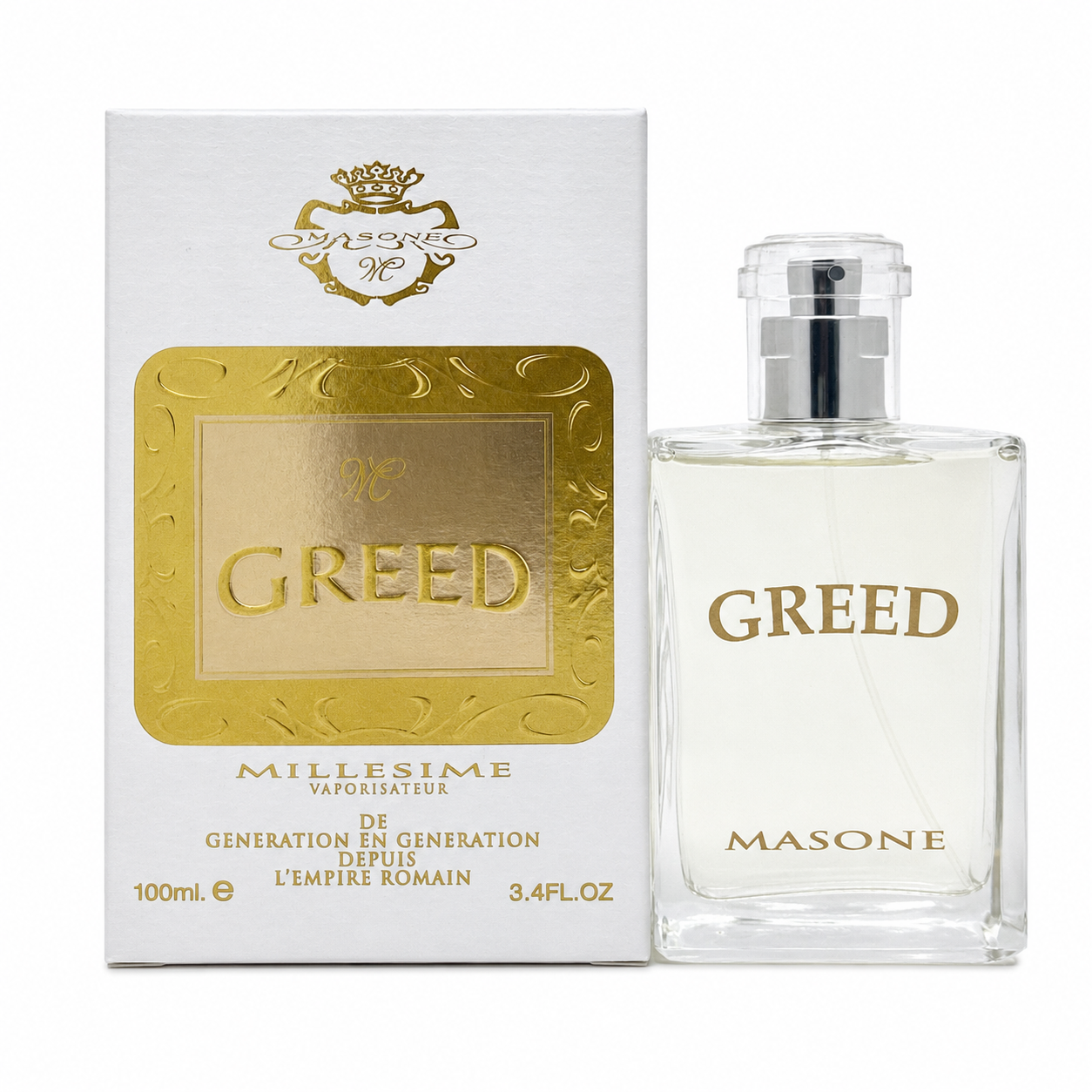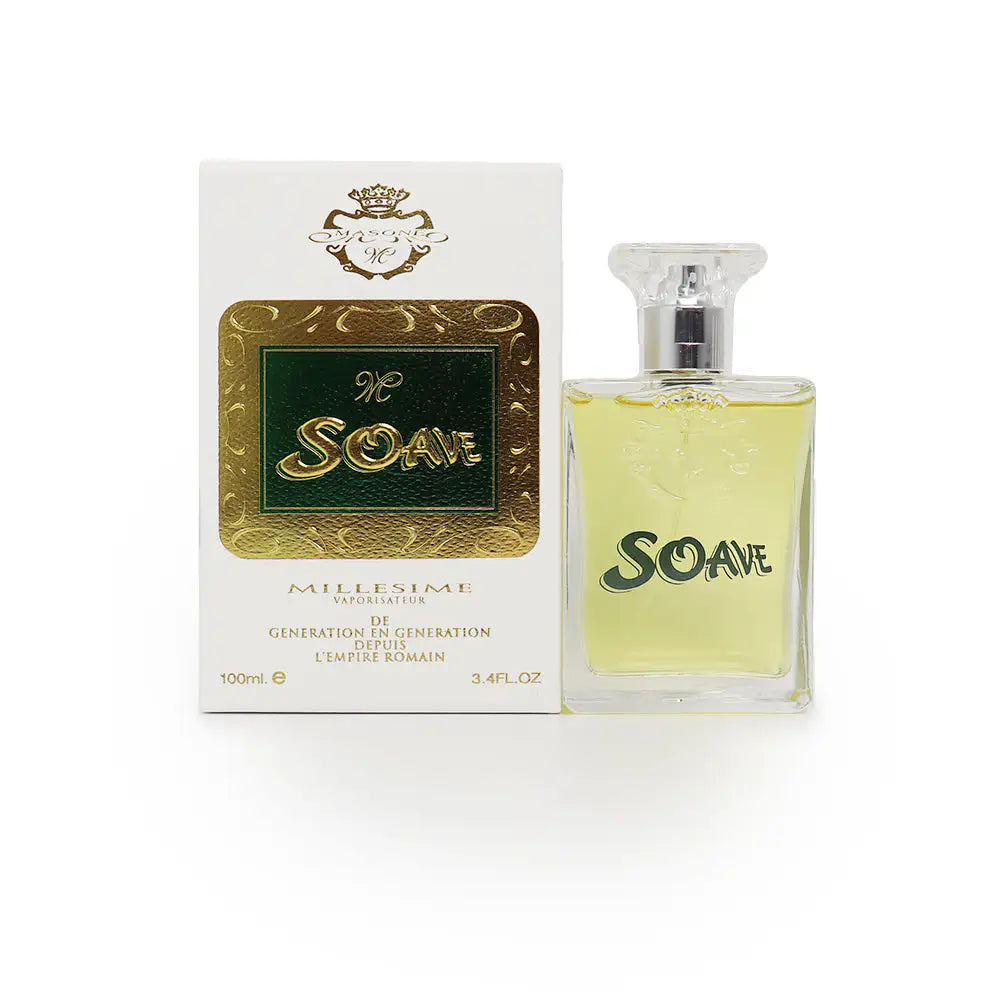


For fragrance enthusiasts, few debates spark as much passion as the discussion of vintage versus modern perfumes. Walk into any perfume forum or collector's circle, and you'll encounter heated conversations about reformulations, discontinued classics, and the quest for original formulations. But what exactly distinguishes vintage fragrances from their modern counterparts, and why does it matter? This comprehensive guide explores the complex world of perfume reformulations, helping you understand what changes, why it happens, and how to navigate both vintage and contemporary offerings.

What defines a vintage perfume?
The term "vintage perfume" can mean different things depending on context, but generally refers to fragrances manufactured at least 15-20 years ago, often in their original formulations before significant reformulations occurred. Some collectors consider perfumes from the 1980s and earlier as truly vintage, while others extend the definition to include bottles from the 1990s and early 2000s.
Vintage perfumes aren't simply old fragrances; they're time capsules that preserve the original creative vision of master perfumers, often containing ingredients that are now restricted, reformulated, or prohibitively expensive. These rare vintage perfumes represent perfumery at specific moments in history, capturing the aesthetic preferences, technical capabilities, and ingredient availability of their era.
The value of vintage fragrances extends beyond nostalgia. Many perfume connoisseurs argue that older formulations possess greater depth, complexity, and longevity than their modern equivalents. Whether this perception stems from actual compositional differences or the romanticization of the past remains a topic of spirited debate among fragrance enthusiasts.
Why Perfumes Get Reformulated
Understanding reformulation requires recognizing that perfume creation exists at the intersection of art, chemistry, business, and regulation. Multiple factors drive the changes that separate vintage from modern versions:
Regulatory restrictions represent perhaps the most significant force behind reformulations. Organizations like the International Fragrance Association (IFRA) regularly update guidelines restricting or banning certain ingredients based on safety studies, allergen concerns, and environmental impact. Oakmoss, a beloved ingredient in classic chypre fragrances, faced severe restrictions due to potential allergenic properties. Natural musks from animal sources have been banned entirely, forcing perfumers to find synthetic alternatives.
Ingredient availability and cost create practical challenges. Some natural materials become scarce due to environmental changes, overharvesting, or geopolitical factors. Mysore sandalwood, once abundant and affordable, is now extremely expensive and regulated, forcing brands to substitute with Australian sandalwood or synthetic alternatives. When key ingredients become unavailable or cost-prohibitive, reformulation becomes necessary for continued production.
Company acquisitions and ownership changes often trigger reformulations. When large conglomerates acquire smaller fragrance houses, they may reformulate products to reduce costs, streamline production, or align with corporate sustainability goals. The new owners might lack access to the original formulas, relationships with specific ingredient suppliers, or commitment to maintaining expensive compositions.
Quality standardization and consistency motivate some reformulations. Natural ingredients vary from harvest to harvest, creating challenges for brands seeking consistent products. Some companies reformulate using more synthetic ingredients to ensure every bottle smells identical, prioritizing reliability over the subtle variations that vintage perfume lovers cherish.
Consumer preferences and market trends influence reformulation decisions. What smelled sophisticated in 1985 might seem overwhelming to modern sensibilities. Brands sometimes adjust fragrances to align with contemporary tastes, reducing projection, longevity, or intensity to appeal to current consumers.
How Vintage and Modern Perfumes Differ
The differences between vintage and modern formulations manifest in several ways:
Concentration and projection often distinguish older fragrances. Vintage perfumes frequently contain higher concentrations of aromatic compounds, resulting in stronger projection and longer wear time. A vintage Eau de Toilette might perform like a modern Eau de Parfum. This intensity reflects both the aesthetic preferences of earlier eras and the use of potent natural materials now restricted or replaced.
Complexity and depth characterize many vintage compositions. Older formulations often incorporated expensive natural ingredients in generous proportions, creating multi-layered scent experiences that evolved beautifully over hours. Modern versions, constrained by cost considerations and regulations, may simplify these compositions, resulting in more linear fragrances that lack the dramatic development of their predecessors.
Color and appearance provide visual clues to authenticity and age. Vintage perfumes often darken over time as natural ingredients oxidize, turning amber or golden brown. This darkening doesn't necessarily indicate spoilage; many collectors prize the rich colors of aged fragrances. Modern formulations, especially those using more synthetic materials, tend to maintain their original color longer and may appear clearer or lighter.
Bottle design and packaging evolved significantly over decades. Vintage bottles often feature distinctive designs, heavier glass, and more elaborate presentations that reflected the luxury positioning of fine fragrances. Modern packaging tends toward minimalism, lighter materials, and designs optimized for shipping and retail display.
The scent itself reveals the most important differences. Vintage formulations frequently smell richer, more animalic, greener, or more resinous than modern versions. They may feature pronounced oakmoss, natural musks, or abundant jasmine and rose absolutes that create full-bodied, opulent experiences. Modern reformulations often smell cleaner, lighter, and more transparent, with synthetic musks replacing animalic bases and lighter woods substituting for restricted materials.
The Art and Science of Identifying Reformulations
Detecting whether a perfume has been reformulated requires detective work and sensory expertise. Several clues can help:
Batch codes and production dates stamped on bottles provide valuable information. By researching when major reformulations occurred, you can determine whether a specific bottle predates those changes. Online databases and collector communities maintain extensive records of batch codes and reformulation timelines.
Ingredient lists changed over time, though these aren't always reliable indicators. Regulations require disclosure of certain allergens, and vintage bottles may lack comprehensive ingredient information that modern versions include. However, dramatic differences in listed ingredients can signal reformulation.
Country of origin sometimes indicates different formulations. A bottle produced in France might differ from one manufactured in the United States or Middle East, even if sold under the same name. Some brands maintain different formulations for different markets.
Physical characteristics including juice color, bottle weight, and packaging style help authenticate vintage specimens. Familiarizing yourself with period-specific design elements allows you to spot reproductions or determine a bottle's approximate age.
Smell tests remain the most definitive method, though they require experience and preferably side-by-side comparisons. Smelling a confirmed vintage version alongside a current formulation reveals differences that written descriptions cannot capture.
Collecting and Preserving Vintage Fragrances
For those interested in exploring vintage rare perfumes for women or vintage rare perfumes for men, , proper storage and handling ensure these treasures remain enjoyable:
Storage conditions critically affect longevity. Keep vintage perfumes in cool, dark places away from temperature fluctuations, direct sunlight, and humidity. Many collectors store prized bottles in wine fridges or climate-controlled cabinets. Heat and light accelerate degradation, turning once-beautiful fragrances into sour or flat shadows of their former selves.
Bottle integrity matters tremendously. Check seals, atomizers, and caps for proper closure. Air exposure causes oxidation, so minimize opening bottles unnecessarily. Some collectors transfer precious vintage juice into smaller bottles to reduce air space as they use the fragrance.
Authentication protects against counterfeits and reproduction bottles filled with modern formulations. Buy from reputable dealers, examine bottles carefully for period-appropriate details, and when possible, smell the fragrance before purchasing. The vintage perfume market unfortunately includes fraudulent sellers, making due diligence essential.
Realistic expectations help avoid disappointment. Not all vintage perfumes age gracefully. Some materials, particularly citrus notes and certain aldehydes, deteriorate over time. A 40-year-old bottle might smell different from a 20-year-old bottle of the same fragrance. Understanding natural aging processes prevents mistaking normal evolution for spoilage.
The Case for Modern Formulations
While vintage perfume enthusiasm runs high in collector circles, modern formulations deserve fair consideration. Contemporary perfumery offers distinct advantages:
Safety and transparency benefit from decades of research. Modern regulations, though sometimes frustrating for perfume lovers, exist because scientific studies identified potential health concerns. Wearing a fragrance that meets current safety standards provides peace of mind, especially for daily wear.
Consistency and availability make modern fragrances more practical. You can purchase bottles knowing they'll smell as intended, and if you love a current women's perfume or a men’s cologne, you can usually obtain more when your bottle empties. Vintage hunting involves uncertainty, limited availability, and often significant expense.
Innovation and creativity thrive in contemporary perfumery. Modern perfumers have access to novel synthetic molecules, innovative extraction techniques, and cross-cultural inspiration that creates entirely new olfactory experiences. Some of today's most acclaimed fragrances showcase possibilities unavailable to perfumers decades ago.
Sustainability considerations influence modern formulations. Many contemporary brands prioritize renewable ingredients, ethical sourcing, and environmental responsibility. While some vintage materials possessed unmatched beauty, their harvesting sometimes caused ecological damage or animal suffering.
Affordability and accessibility make modern fragrances more democratic. While vintage bottles often command premium prices, current formulations remain widely available at various price points, allowing more people to experience quality perfumery.
Notable Examples of Reformulation
Certain fragrances became legendary examples in reformulation discussions:
Chanel No. 5 underwent multiple reformulations since its 1921 creation, with changes to jasmine sources, aldehyde compositions, and base notes. Despite these adjustments, Chanel maintains the fragrance's essential character, though vintage bottles from the 1950s-1970s smell noticeably richer and more animalic than current versions.
Mitsouko by Guerlain suffered particularly from oakmoss restrictions, as this ingredient formed a cornerstone of its classic chypre structure. Modern versions substitute with patchouli and other materials, creating debate about whether the current fragrance captures the original's genius.
Dior's Fahrenheit lost some of its unique gasoline and violet leaf intensity in reformulations, with modern versions smelling smoother and less confrontational than the bold 1988 original that shocked and delighted wearers.
Yves Saint Laurent Opium exemplifies how reformulations can diminish a fragrance's impact. Vintage versions deliver a dense, spicy, resinous experience that modern formulations approach but don't fully replicate, particularly in projection and depth.
Finding Your Place in the Vintage-Modern Spectrum
Most perfume lovers eventually develop appreciation for both vintage and modern offerings rather than adopting hardline positions. Consider these approaches:
Build a diverse collection incorporating both contemporary releases and vintage treasures. This strategy provides variety and allows you to experience perfumery across different eras, understanding how styles, techniques, and preferences evolved.
Educate your nose by smelling fragrances from different periods. Visit specialty boutiques, attend perfume events, and connect with collector communities willing to share samples. Direct experience teaches more than any written description.
Support quality regardless of age. Whether vintage or modern, seek well-crafted fragrances made with integrity. Plenty of contemporary perfumes use excellent natural materials and creative compositions that rival or exceed older classics.
Understand your priorities. If historical authenticity matters most, pursue vintage bottles. If you prefer supporting current perfumers and sustainable practices, focus on modern niche fragrances. If performance and reliability take precedence, current formulations might serve you better.
Remain open-minded about reformulations. While some certainly diminish fragrances, others improve stability, wearability, or safety without sacrificing beauty. Not every change represents a loss.
The Future of Fragrance Preservation
The tension between vintage and modern perfumery raises important questions about preserving olfactory heritage. Some perfume houses now maintain "vault" editions using pre-restriction formulas for collectors willing to pay premium prices. Others create "interpretations" of classics using modern materials and techniques.
Museums and archives increasingly recognize perfume as cultural artifacts worthy of preservation. Osmothèques and scent libraries collect and maintain historical fragrances, ensuring future generations can experience olfactory history even when original bottles become impossibly rare.
Biotechnology and green chemistry promise new possibilities. Scientists work on producing traditionally animal-derived or endangered plant materials through sustainable methods, potentially allowing future perfumers to access materials currently restricted while maintaining ethical and environmental standards.
Conclusion: Appreciating Both Worlds
The vintage versus modern perfume debate need not force an either-or choice. Both offer unique pleasures, insights, and experiences. Vintage fragrances connect us to perfumery's golden eras, preserving formulations that showcase ingredients and techniques no longer possible or practical. Modern perfumes demonstrate how creativity adapts to constraints, producing innovative compositions that reflect contemporary values and possibilities.
Whether you're drawn to the rich complexity of vintage bottles, the bright innovation of modern releases, or the full spectrum between them, understanding reformulations and originals enhances your appreciation of perfumery as both art and evolution. Your fragrance journey becomes richer when you recognize that every bottle, whether decades old or freshly released, tells a story about the time, place, and people that created it.
The most important consideration remains personal: wear what brings you joy, regardless of its age or provenance. In the end, perfume exists to be worn, experienced, and cherished, not merely debated or preserved. Both vintage treasures and modern masterpieces deserve their place on your vanity and in your olfactory memory.