


Shop by collection
Discover fragrances selected by theme, mood, or occasion. Whether you're looking for timeless classics or the latest releases, our collections will help you easily find your next signature scent.


Spotlight on exploration

Ortona Afrodite Uomo For Men Eau de Parfum
Ortona Afrodite Uomo for Men Eau de Parfum
Afrodite Uomo is one of the most loved fragrances from the house of Ortona — and one of our own favourites at Le Parfumier. Created in 1996, it hasn't lost an ounce of its freshness: a woody, marine wave that calls up the salt air of the Mediterranean, carried by sun-ripened citrus from southern Italy. Still available, still true to its original formula.
It opens on sea salt and bright fruity notes before the heart reveals Sicilian lemon, Calabrian bergamot, iris and mandarin. In the base, marine notes, musk and woods bring warmth and depth, for a trail that is fresh and enveloping at once.
Ideal for
Built for daytime wear in spring and summer, Afrodite Uomo suits the man who loves open air, the sea and a vivid, energising scent. Longevity is long and intensity moderate — present enough to be noticed, easy enough to wear from the office to the weekend. A standout among aquatic fragrances for men and a natural way into the wider world of men's fragrances.
Available in 50 ml and 100 ml, plus a 5 ml sample so you can try it before committing.

Ortona Afrodite Uomo Vintage For Men Eau de Parfum
Ortona Afrodite Uomo Vintage Pour Homme Eau de Parfum
Afrodite Uomo Vintage by Ortona is an elegant masculine fragrance that combines character and refinement in a woody, floral, and musky composition. Launched in 2006, this perfume embodies a timeless and sophisticated style, perfect for the man who appreciates classic scents with a modern touch.
The fragrance opens with a bright and slightly fruity blend of pineapple and orange blossom, bringing freshness and subtlety from the first notes. The heart then reveals a spicy and aromatic mix of nutmeg, coriander, and cardamom, adding depth and character to the composition. Finally, the perfume unfolds on a rich and elegant base composed of leather, iris, musk, cedar, sandalwood, vetiver, and tonka bean, offering a warm, masculine, and long-lasting trail.
With a moderate intensity and long-lasting wear, Afrodite Uomo Vintage leaves a refined and distinctive impression, ideal for the man seeking a balanced, sophisticated, and timeless fragrance.
- Brand: Ortona
- Fragrance name: Afrodite Uomo Vintage
- Product type: Eau de Parfum
- Gender: Men
- Olfactory family: Woody floral musk
- Year launched: 2006
- Available sizes: 50ml, 100ml
- Top notes: Pineapple and orange blossom
- Heart notes: Nutmeg, coriander, and cardamom
- Base notes: Leather, iris, musk, cedar, sandalwood, vetiver, and tonka bean.
- Fragrance intensity: Moderate
- Fragrance longevity: Long-lasting

Ortona Afrodite Uomo Night Touch For Men Millessime
Ortona Afrodite Uomo Night Touch For Men Millessime
- Brand: Ortona
- Fragrance Name: Afrodite Uomo Night Touch
- Product Type: Millesime Eau De Parfum EDP
- Gender: Men
- Olfactive Family:Woody aromatic
- Year Launched: 2010
- Sizes available: 5ml, 50ml, 100ml
- Recommended Use: day, evening, spring and summer
- Top Notes: Grapefruit, Lemon, Mint and Pink Pepper
- Middle Notes: Ginger, Nutmeg, Jasmine and Iso E Super
- Base Notes: Incense, Vetiver, Cedar, Sandalwood, Patchouli, Labdanum and White Musk
- Scent Intensity: Moderate
- Scent Longevity: Long Lasting
The best collections
Browse our most popular categories. From bold masculine icons to delicate feminine fragrances and rare collector's items, these are the fragrances our customers prefer.
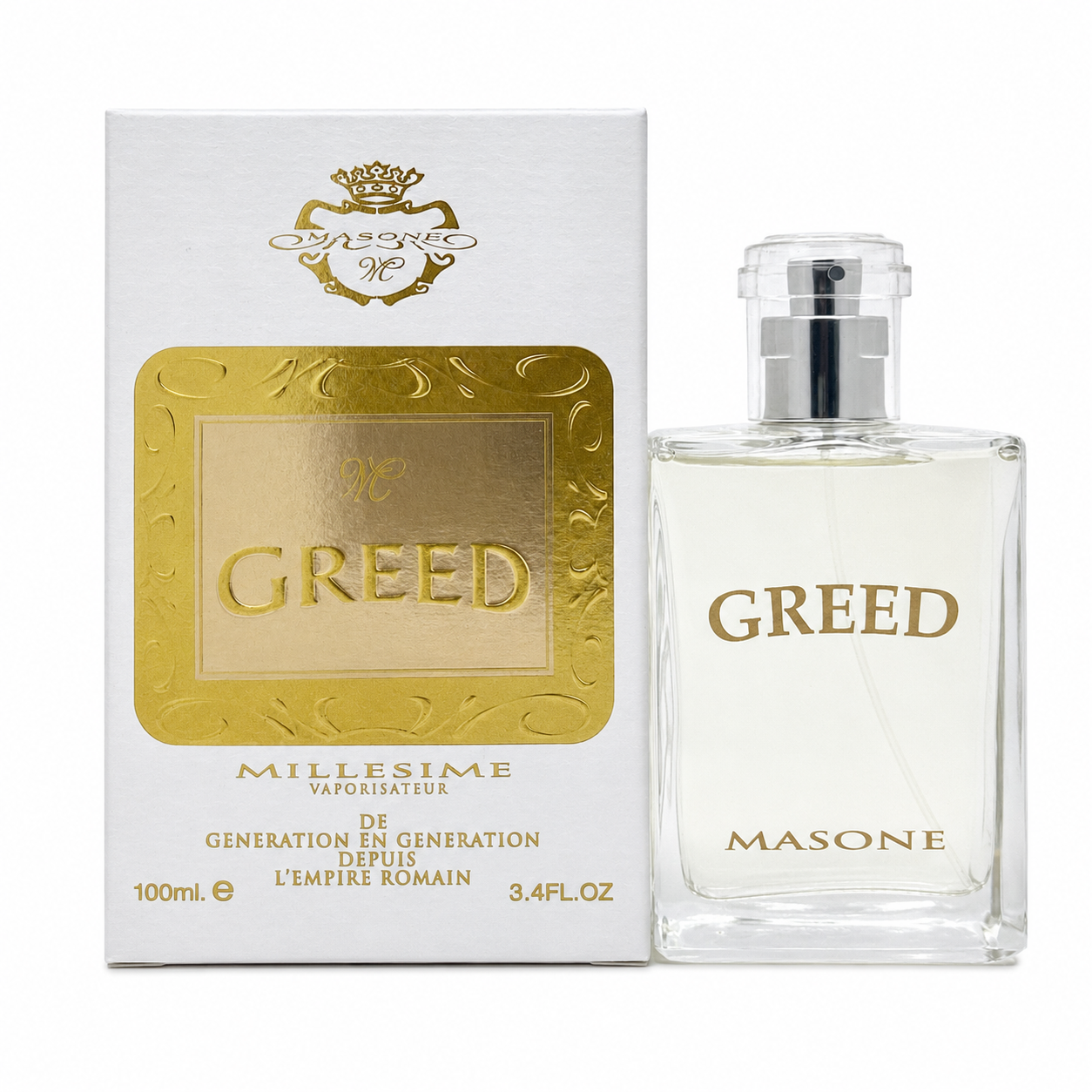
Masone Greed For Men Eau de Parfum

Armaf Club de Nuit Intense Man For Men Eau de Parfum

Armaf Club De Nuit Intense For Men Eau de Toilette

Masone Sotto Zero For Men Eau de Parfum

Mirato Malizia Uomo Vetyver For Men Eau de Toilette

Ortona Afrodite Uomo For Men Eau de Parfum

Nautica Voyage For Men Eau de Toilette

Cuba Gold For Men Eau de Toilette

Versace Dreamer For Men Eau de Toilette

Lattafa Asad For Men Eau De Parfum
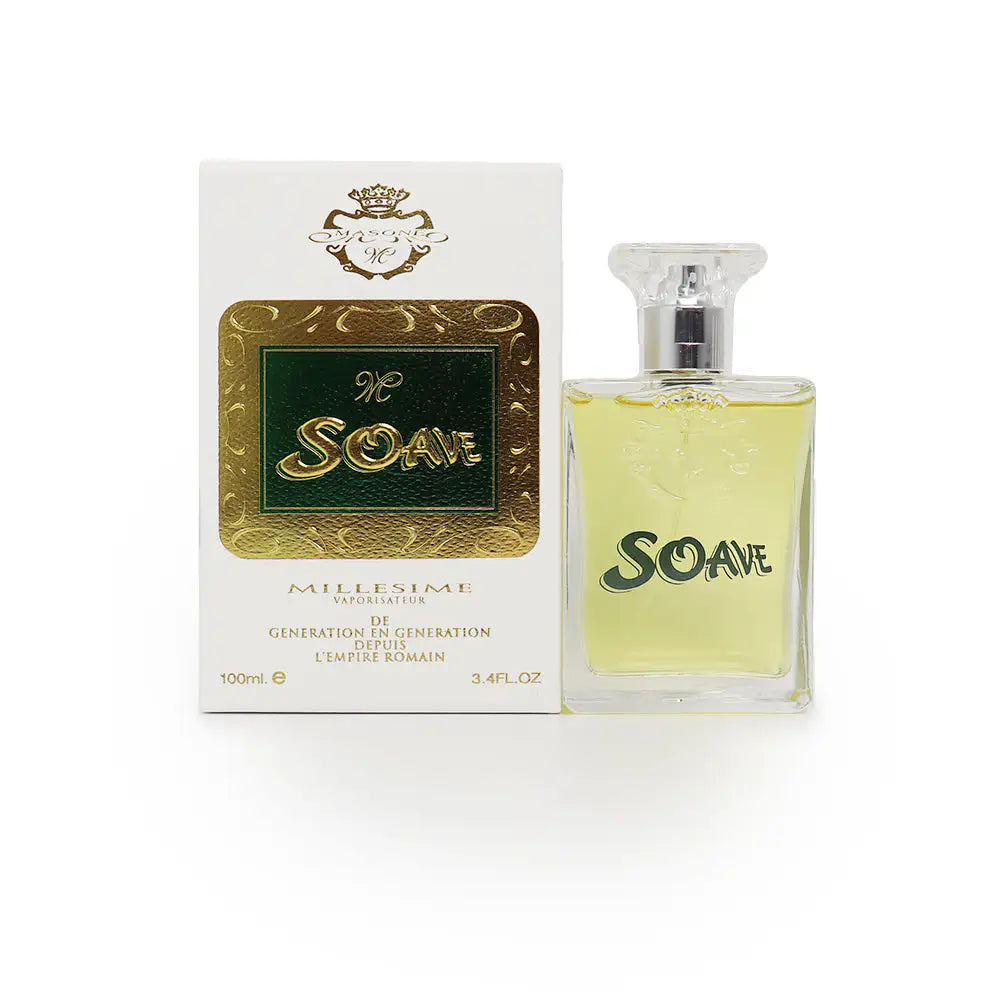
Masone Soave For Women Eau De Parfum

Masone Adorable For Women Eau de Parfum

Lanvin Eclat D'Arpege For Women Eau de Parfum

Lattafa Yara For Women Eau De Parfum

Masone Dreams For Women Eau de Toilette

Dolce & Gabbana Light Blue For Women Eau de Toilette

Ralph Lauren Big Pony 2 for Women Eau de Toilette

Azzaro Mademoiselle For Women Eau De Toilette

Gres Cabotine For Women Eau de Toilette

Ortona Afrodite Donna La Nuit For Women Eau de Parfum
Ralph Lauren Big Pony 2 for Women Eau de Toilette

Bob Mackie Mackie For Women Eau de Toilette

Yves Saint Laurent Ysl Paris For Women Eau de Toilette

Oscar De La Renta Oscar For Women Eau de Toilette

Jean Couturier Coriandre For Women Eau de Toilette

Hugo Boss Boss Nuit Intense For Women Eau de Parfum

Giorgio Armani Acqua Di Gio For Women Eau de Toilette

Borsalino Donna Borsalino For Women Eau de Parfum

Benetton Colors For Women Eau de Toilette

Isabella Rossellini Manifesto For Women Eau de Toilette
Top Vintage & Rare Perfumes
A tribute to the art of perfumery. Discover rare, discontinued, and vintage fragrances preserved in their original form. A must-have for collectors and connoisseurs.


Popular Items
Our community's favorites. These bestsellers are flying off the shelves for good reason: discover the perfumes everyone is talking about.
Masone Greed For Men Eau de Parfum
Ortona Afrodite Uomo For Men Eau de Parfum
Ralph Lauren Big Pony 2 for Women Eau de Toilette

Roger & Gallet L'Homme For Men Eau de Toilette Vintage

Ortona Afrodite Donna For Women Eau de Parfum

Versace Bright Crystal For Women Eau de Toilette

Xerjoff 1861 Naxos Eau De Parfum

Xerjoff Erba Pura Eau De Parfum

Xerjoff Torino 22 Eau De Parfum
Frequently Asked Questions
Need help? We've answered your most frequently asked questions about delivery, authenticity, returns, and much more.
Where do you deliver?
Where do you deliver?
We deliver everywhere in Canada, the United States, and most countries worldwide!
Do you ship internationally?
Do you ship internationally?
Yes, we ship to over 200 countries worldwide! You can check this during checkout by using the dropdown arrow to select your country. Please note that your order may be subject to customs duties and taxes imposed by your country's customs authorities once the package arrives at its destination. Unfortunately, we have no control over these charges and cannot estimate them. Customs policies vary by country, so we recommend contacting your local customs office for more information.
Where do you ship from?
Where do you ship from?
All orders are processed and shipped from our
Warehouse/store in Laval, Quebec, Canada. Our address is: The
Perfumer, 2065 Autoroute 440 West, Laval, Quebec, Canada. H7L 3W3
How is it that you still have my discontinued perfume available for purchase?
How is it that you still have my discontinued perfume available for purchase?
Our extensive fragrance collection includes thousands of options, some of which are discontinued. To maintain our wide selection, our buyers travel the world to acquire entire inventories of rare or hard-to-find perfumes. These products are stored under ideal conditions to ensure their quality and longevity.
What does "without box" mean for a product?
What does "without box" mean for a product?
If you don't need the sophisticated packaging of our regular products, the "no box" option offers an affordable alternative. These products are less expensive than their packaged counterparts and are guaranteed to be 100% authentic, fresh, and unused. While they don't come in a box, they do include a cap. The reduced packaging cost translates into even greater savings for you!
What does "splash" mean for a product?
What does "splash" mean for a product?
If a perfume is labeled "splash," it means it's designed to be applied without a spray mechanism. Most perfumes are made with a spray nozzle because this allows them to last longer by limiting their exposure to air. Ultimately, choosing between a spray or splash bottle comes down to personal preference.
What is the difference between an eau de toilette and an eau de parfum?
What is the difference between an eau de toilette and an eau de parfum?
Perfumes differ in their concentration of oils; an eau de parfum has a higher concentration than an eau de toilette, resulting in a longer-lasting fragrance. Pure perfume has the highest concentration, while eau de Cologne has the lowest.
What is "vintage"?
What is "vintage"?
"Vintage" perfumes are older formulations of fragrances that may have been reformulated over time. Companies choose to reformulate a perfume for various reasons, such as regulatory changes, consumer preferences, a shortage of a particular ingredient, or to improve the perfume's performance or reduce its production cost.
What is a "tester"?
What is a "tester"?
Our testers offer a cost-effective alternative for those who don't need the sophisticated packaging of our regular products. They are less expensive than the packaged versions and are guaranteed 100% authentic, fresh, 100% full, and contain the same fragrance as the original product. While designed for display and testing in stores, they are also available for purchase. Testers typically come in a simple white box and may not include a cap or outer box. The reduced packaging cost means even more savings for you!
Blog posts

The Ultimate Guide to Vintage and Discontinued Perfumes: Finding Classic Fragrances Still Available in 2026
The world of perfume is constantly evolving, yet many enthusiasts still seek the depth, craftsmanship, and nostalgia of vintage perfumes and discontinued fragrances. In this article, The Ultimate Guide to Vintage Perfumes and Discontinued Fragrances: Finding Classic Perfumes Still Available in 2026, you will learn how to find classic perfumes, how to buy smartly, and how to build a collection like a true perfume collector—without falling into the trap of counterfeits or inflated prices. Whether you are looking for rare perfumes to wear or to invest in, this guide will help you buy with confidence. What is "vintage" vs. "discontinued" (and why it matters) "Vintage" and "discontinued" are often used as synonyms, but for collectors, these are different concepts: Discontinued fragrances: no longer produced by the brand. Some bottles may be recent; others may be decades old.Vintage perfumes: generally older productions (often 10–20+ years), sometimes with period packaging, earlier formulas, or old batch codes.Classic perfumes: iconic releases that defined an era or style. Some are still in production; others have become rare.Rare perfumes: hard to find due to limited distribution, low volumes, regional releases, or long-discontinued production. Why does this distinction matter? Because formula changes, reformulations, and ingredient restrictions can make older bottles smell noticeably different. A modern "still available" version may not offer the same texture, depth, or performance as those remembered by collectors. Understanding the category helps you decide whether you are chasing a memory, a specific batch style, or simply a similar vibe. Why Vintage Perfumes and Discontinued Fragrances Are So Sought After For many enthusiasts, the appeal goes far beyond nostalgia. Here are the main reasons why these scents remain highly sought after in 2026: Richer compositions: older formulas may use higher dosages of certain ingredients or a different balance of notes.Longevity: many collectors report better projection and longevity in older bottles (even though storage plays a major role).Artistry and identity: some classic perfumes have bolder and more distinctive signatures than many modern releases.Collector value: a true perfume collector loves the hunt—packaging variations, sets, discontinued flankers... all prized finds. At the same time, the market has become more complex. Prices fluctuate, fakes are common on peer-to-peer platforms, and the term "vintage" is sometimes used as a marketing label rather than a verified condition. Hence the importance of your buying strategy. How to Find Classic Perfumes Still Available in 2026 Good news: you can still find many classic perfumes and discontinued fragrances without relying solely on auctions or risky marketplaces. Here are the most reliable channels: 1) Selected vintage retailers and specialized boutiques Curated boutiques generally inspect stocks, describe the condition, and source through reputable channels. To browse a dedicated selection in one place, start with a reliable selection like the Vintage and Rare Perfume Collection. Buying through a curated collection reduces uncertainties compared to random listings. 2) Modern classics that never left (or that have returned) Not all "classics" are discontinued. Some legendary fragrances are still available and retain a recognizable signature, which is the basis of their reputation. For example, Calvin Klein Eternity remains a must-have for those who love timeless floral elegance. If you explore the brand's universe, you can also browse Calvin Klein Perfumes to compare styles and find the era that suits you. 3) Deadstock and shop finds Deadstock refers to original unsold stock that reappears years later—sometimes through shops, distributors, or private collections. It is one of the best ways to find discontinued fragrances in near pristine condition, although quantities are often limited. 4) Exchanges between collectors (with caution) Passion groups are great for discovery, but proceed with caution. Always ask for high-resolution photos, batch information, and a clear description of fill level and storage conditions. When possible, prefer payments with escrow-type protection rather than direct transfers. Recognizing Authenticity of Vintage Perfumes and Rare Perfumes: Buying Checklist When buying discontinued fragrances, authentication is part of the process. Use this checklist before committing: Packaging consistency: compare the box design, fonts, and logo placement with known authentic examples from the same era.Batch codes: look for batch codes on the box and the bottle. Differences can be a warning sign (though not always—some older releases vary).Fill level: evaporation can occur over the years, especially if stored in warm conditions. A low level does not necessarily mean "fake," but it should affect the price.Color and clarity: some fragrances naturally darken with age. Cloudiness or deposits may indicate storage issues (or simply age-related changes depending on the formula).Quality of the spray and cap: "cheap" caps, rough printing, or poorly centered labels can suggest a counterfeit.Seller transparency: the best sellers provide multiple angles, point out defects, and answer questions confidently. For a perfume collector, the goal is not perfection—it is clarity. When you know exactly what you are buying, you can judge if the bottle is worth wearing, displaying, or archiving. Storage Tips: How to Protect Vintage Perfumes Once They’re Yours Even authentic vintage perfumes can degrade if storage is poor. To preserve your rare perfumes: Avoid heat: stay away from bathrooms and sunny windowsills. Temperature fluctuations accelerate oxidation.Limit light exposure: store in a drawer or closed cabinet; keep the box if you have it.Reduce air contact: make sure caps are tightly closed. If a spray leaks, consider decanting into a sealed travel atomizer for use while preserving the main bottle.Store upright: this helps prevent leaks and reduces contact between the juice and the spray mechanism. Proper storage helps preserve top notes and prevents a once sumptuous classic perfume from becoming flat or too harsh. Vintage Perfume Profiles to Explore in 2026 If you don’t know where to start, explore by style. Many discontinued fragrances belong to recognizable families that defined decades of perfumery: Masculine fougère & aromatics They often highlight lavender, herbs, mossy or woody bases, and a "barbershop" polish. They are decidedly "classic" and can be very wearable today, especially with light application. Musky, sensual, skin-to-skin Some vintage-era compositions rely on more animalic musks, warm woods, and an intimate projection. If you like bold styles that warm up on the skin, you’ll find gems in this category. Marine/citrus fresh with an old-school character Not all classic perfumes are heavy. Some vintage fresh ones offer a saline and airy brightness, with a more textured base than many modern aquatics. Floral icons and "signature" bouquets From bright lily-of-the-valley effects to powdery florals, the classic perfumes of this family often give a "dressed-up" impression in the best sense—ideal for the office, events, or whenever you want a polished presence. Classic Bottles You Can Still Find: Collector-Approved Selections Availability changes quickly, but here are the types of classic and "vintage-leaning" bottles that collectors often seek—especially when they appear in verified vintage listings: YSL Body Kouros Vintage: a bold and inimitable statement for collectors who appreciate old-school sensual intensity.Azzaro Visit for Men : an excellent example of a modern-era "classic," with a distinctive character that stands out from current crowd-pleasers.Roger & Gallet L'Homme Vintage: a refined and heritage option, perfect for those seeking traditional masculine elegance.Creed Erolfa Vintage: a highly sought-after fresh classic, which many perfume collectors consider a cornerstone of a "high-end" summer wardrobe. Tip: if you are building a wardrobe, try to balance the categories—a clean/fresh classic, a statement piece for the evening, and a versatile everyday scent. This approach helps you enjoy your rare perfumes rather than just storing them. How to Buy Smart: Price, Condition, and "Value" for a Perfume Collector In 2026, the price of discontinued fragrances is dictated by three factors: rarity, condition, and reputation (the cult status of the perfume). Here is how to assess the value: Condition above all: a sealed box with a good fill level usually commands a higher price. If the box is missing or there is notable evaporation, negotiate accordingly.Know what you are paying for: are you buying it to wear every week, occasionally, or to collect/display? A "museum piece" can justify a higher price than a bottle intended for daily use.Start with decants when possible: if you are starting with vintage perfumes, sampling reduces regrets. Some classics are powerful and require a specific context or state of mind.Beware of hype spikes: viral videos can cause prices to skyrocket overnight. If the perfume isn’t truly rare, waiting can save you money. The best collections are built with patience. Most perfume collectors will tell you the same: the right bottle at the right price always eventually appears. FAQ: Vintage Perfumes and Discontinued Fragrances Do vintage perfumes always smell better than modern versions? Not necessarily. Some vintage bottles are stunning; others have aged poorly due to heat, light, or air exposure. Storage history matters as much as age. Can I wear rare perfumes daily? Yes—if you like them. Many collectors do. If you want to preserve a bottle, reserve it for special occasions or decant a small amount for daily use. Are "new in box" discontinued fragrances guaranteed authentic? No. Counterfeits can also be sealed. Buy from reputable sources and look for detailed photos, batch code information, and clear return policies when available. Conclusion: Start Your Search for Classic Perfumes Still Available in 2026 Finding vintage perfumes and discontinued fragrances is a mix of research, patience, and instinct. When you understand what makes classic perfumes so special—and how to check condition and authenticity—you can build a personal, wearable, and truly rare collection. Whether you are an experienced perfume collector or just starting to explore rare perfumes, the key is to buy intentionally and choose bottles you will genuinely enjoy wearing. Ready to discover your next classic? Explore the Vintage and Rare Perfume Collection to find carefully selected vintage and discontinued gems, and if you love timeless designers, browse Calvin Klein Perfumes for enduring icons you can still wear confidently in 2026.
Learn more
Complete Guide to Gourmand Perfumes: How to Choose Your Sweet and Addictive Signature
Are you looking for a fragrance that evokes the indulgence of a dessert, the warmth of a vanilla fragrance, and that little "je ne sais quoi" that creates a true perfume addiction? This Complete Guide to Gourmand Perfumes: How to Choose Your Sweet and Addictive Signature helps you understand the world of gourmand perfumes, distinguish sweet perfumes by their notes (vanilla, caramel, praline, cocoa…), and find the scent that suits you—the one recognized on you and remembered. From iconic classics to modern trails, gourmand fragrances seduce because they are both comforting, sensual, and ultra-appealing. Here's how to choose without making a mistake. What is a gourmand perfume? A gourmand perfume is an olfactory creation inspired by edible notes (or that give the illusion): vanilla, sugar, cream, honey, caramel, chocolate, praline, almond, candied fruits, coffee… The goal is not to "smell like cake," but to generate a delicious, enveloping, and addictive sensation. Often, sweet perfumes rely on an oriental/amber structure: a warm base (vanilla, benzoin, musks, patchouli) that fixes the fragrance and extends its trail. This construction promotes the famous perfume addiction, as it leaves a lasting imprint, sometimes "cocooning," sometimes distinctly sensual. Why do gourmand fragrances create a "perfume addiction"? Gourmand fragrances speak directly to memory and emotion: they evoke sweetness, comfort, intimacy. Some materials (vanilla, tonka bean, cocoa, caramel) also have a warm and sensual dimension, which can quickly become a "signature." But the addiction doesn't come just from sugar: it arises from the balance between: A bright opening (fruits, orange blossom, pear, citrus, soft spices),A gourmand heart (praline, caramel, cocoa, coffee, almond),A base that is enveloping (vanilla fragrance, musks, amber, patchouli, woods). Result: a fragrance that grabs attention, evolves beautifully, and makes you want to come back. The main families of gourmand perfumes (and how to recognize them) Not all gourmand fragrances are alike. Identifying the sub-family that attracts you is the simplest way to find "the right one." 1) Vanilla perfume: from soft milky to amber vanilla The vanilla fragrance can be: Milky/creamy: "clean skin + sweet dessert" effect, very comforting.Amber/resinous: warmer, deeper, excellent lasting power.Woody: more modern, less sweet, more sophisticated. If you want an elegant gourmand (without the "candy" side), favor amber and woody vanillas. 2) Caramel, praline, cooked sugar: the indulgent "candy" embraced These sweet perfumes are immediately nostalgic: they evoke caramel, marshmallow, praline, sometimes a fruity touch. Perfect if you like to be noticed and leave a joyful, ultra-feminine trail. 3) Coffee, cocoa, chocolate: the dark and sensual gourmand Here, gourmandise becomes more adult: roasted coffee, bitter cocoa, liqueur or spice accords. Ideal for evenings, winter, or if you seek a mysterious signature. 4) Floral gourmand: sweetness balanced by flowers A floral gourmand often combines vanilla/patchouli with flowers (iris, jasmine, orange blossom). The result: a luminous elegance, less "pure sugar," more wearable daily. How to choose your gourmand perfume according to your style and habits To choose your gourmand perfumes like a pro, ask yourself these simple questions. What level of sugar can you handle? Light sugar : opt for a floral gourmand or a woody vanilla.Medium sugar : balanced praline/vanilla, perfect as a daily signature.Intense sugar : caramel, candy, very marked milky accords. When will you wear it? At the office : favor a moderate trail (1–2 sprays), more musky/vanilla than caramelized.Date/night out : coffee, cocoa, vanilla amber—magnetic effect.Cocooning weekend : creamy vanilla, soft praline, clean musks. What is your skin type (and your usual longevity)? On dry skin, gourmand fragrances can evaporate faster: moisturize with a neutral cream before spraying. On warm skin, the sugar can "rise" more: go lighter on the dosage. In terms of longevity, an eau de parfum is generally more lasting than an eau de toilette. 5 iconic gourmand perfumes to know (and for which profile) If you want to get straight to the point, these references are ideal to explore different facets of sweet perfumes—from floral gourmand to vanilla coffee, to bold caramel. Gourmand coffee-vanilla, sensual and nocturnal : YSL Black Opium Eau de Parfum. For those who love an addictive, vibrant trail, perfect for evenings. Luminous floral gourmand, ultra popular : Lancôme La Vie Est Belle Eau de Parfum. A soft and elegant signature, very easy to wear daily. Fairy-tale gourmand, anise/vanilla, unique : Lolita Lempicka Eau de Parfum. For those who want a different gourmand with a strong identity. Caramel "chic candy", feminine and catchy : Viktor & Rolf Bonbon Eau de Parfum. Ideal if you like bold, joyful, and glamorous sweet trails. Modern caramel, musky, very "signature": Prada Candy Eau de Parfum. For a contemporary gourmandise, both soft and stylish. Pro tips: test, apply, make your gourmand fragrance last A good choice depends not only on the perfume but also on how you test and wear it. Test properly (without mistakes) Do not test more than 3 perfumes at once on skin.Wait 20 to 30 minutes: gourmand perfumes reveal themselves mainly in the base notes (vanilla, musks, amber).Check the next day on a garment (scarf, coat) to judge the real sillage. Apply well (for a balanced sillage) 1 spray on the nape + 1 on the wrist (then dab) is often enough.On clothes: be careful with delicate fabrics, but it’s excellent for longevity.Prior hydration = better diffusion, better longevity. Layering: personalize your sweet signature To make your vanilla perfume or caramel accord more unique, you can layer a neutral cream or a discreet musk. The idea: keep the gourmandise, while adding a "skin" touch that is yours. Which gourmand perfume to choose according to the season? Temperature completely changes the perception of gourmand fragrances. Autumn/Winter: ambered vanilla, praline, cocoa, coffee—perfect for a cocoon effect and maximum longevity.Spring: gourmand floral, pear/vanilla, soft musks—lighter, brighter.Summer: favor a lighter gourmand (woody vanilla, musks, fruity touch) and apply more lightly. Where to find the best gourmand perfumes online? If you want to easily compare several styles (caramel, vanilla, coffee, gourmand floral), explore the Gourmand Perfume Collection: you will find ideal references there to build your signature. And if you are looking more broadly for best-sellers and new releases, also check the Perfumes for Women selection to refine your choice according to your personality and occasions. Conclusion: your sweet signature, unique and irresistible Gourmand perfumes are not "just" sweet perfumes: they are emotional creations, capable of becoming a true signature. By identifying your family (vanilla perfume, caramel/praline, coffee/cocoa, gourmand floral), testing on skin, and adjusting the dosage, you will find the fragrance that triggers that famous perfume addiction—for you and for others. Ready to find your next favorite? Browse now the Gourmand Perfume Collection, compare icons like YSL Black Opium Eau de Parfum or Lancôme La Vie Est Belle Eau de Parfum, and choose your sweet signature—the one that truly suits you.
Learn more
Luxury Oriental Perfumes: Discover Lattafa Khamrah and Middle Eastern Fragrances
When it comes to opulence, sensuality, and unforgettable trails, oriental perfumes naturally stand out. In this world rich in spices, resins, and precious woods, Lattafa Khamrah has become an essential reference for those seeking Middle Eastern fragrances that are both modern and deeply rooted in the tradition of Arab perfumes. From gourmand amber accords to enveloping luxury oud, discover why these creations fascinate and how to choose yours. Why do oriental perfumes embody luxury? Luxury in oriental perfumery is not just about a bottle or a marketing signature: it is experienced in the material, depth, and longevity. Oriental perfumes are often built around intense and persistent notes, capable of evolving for a long time on the skin. Iconic raw materials: amber, vanilla, saffron, incense, myrrh, musks, and of course luxury oud.A "layered" structure: the opening can be spicy or fruity, the heart floral or gourmand, and the base woody-amber, very long-lasting.A signature trail: Middle Eastern fragrances are known for their elegant presence and excellent longevity. Result: wearing an oriental perfume often means wearing an aura—a fragrance that tells a story, rather than just a simple accord. Lattafa Khamrah: the gourmand star of Middle Eastern fragrances If you explore Arab perfumes, you will quickly come across the name Lattafa Khamrah. This fragrance has won over the public thanks to its amber-gourmand profile, generous and sophisticated, evoking sweet spicy notes and a warm, enveloping base. Why does Khamrah appeal so much? A modern amber signature: warm, almost "spiced dessert", without losing elegance.A balance between intensity and wearability: ideal for evening, but also possible during the day in cool weather if dosed well.An excellent value for money: an accessible entry point to the aesthetic of oriental luxury. To discover different variations and inspirations around this universe, explore the Lattafa Khamrah Collection. The iconic accords: amber, spices, and luxury oud The charm of Middle Eastern fragrances often comes from recognizable accords, crafted generously. Here are the pillars that define the DNA of many oriental perfumes: Amber: warmth, sensuality, depth Amber in perfumery is an accord (often resins + vanilla + labdanum) that gives a "golden", smooth, and enveloping effect. It brings a cozy sensation, highly prized in Arab perfumes. If you like this style, you will find gems in the Amber Perfumes for Women selection. Spices: character and elegance Cinnamon, cardamom, saffron, clove... Spices structure the perfume and give it immediate relief. They can be: Gourmand (cinnamon, spiced vanilla)Dry and noble (saffron, pepper)Fresh (cardamom, ginger) Luxury oud: the signature wood of the Middle East The luxury oud (agarwood) is one of the most emblematic materials of the Middle East. Depending on its treatment and dosage, it can be: Woody and velvety, with an amber facetAnimalic and smoky, more intense and traditionalModernized, rounded by vanilla, amber, or clean musks For a revisited, luminous, and seductive oud, take a look at Al Haramain Amber Oud Rouge, a unisex option that combines power and refinement. How to choose your oriental perfume according to your style? The best perfume is the one that fits your personality and habits. Oriental perfumes offer an impressive variety: from gourmand amber to dark woody, including musky floral. You like powerful and charismatic perfumes Go for spicy-amber-woody profiles that project and mark your presence. In this vein, discover Lattafa Asad Pour Homme Eau De Parfum, ideal if you seek a strong, modern, and elegant presence. To explore more masculine references, browse the Oriental Perfumes for Men collection. You prefer soft, feminine, and enveloping orientals If your style leans towards musky, creamy floral, or soft amber, more "cocoon" fragrances will be perfect for everyday wear. Two very popular options: Lattafa Yara Pour Femme Eau De Parfum: a feminine and gourmand aura, soft and addictive.Lattafa Fakhar Pour Femme Eau De Parfum: a brighter elegance, perfect for a chic daily signature. Are you looking for a "signature" perfume for evenings For a wow effect, bet on: A rich and vanilla amberWarm spicesA well-crafted luxury oud (or woody) base In this spirit, Lattafa Khamrah is often an excellent choice: generous, seductive, and very noticeable. Tips for Wearing Arabic Perfumes Well (and Avoiding Overdoing It) Arabic perfumes can be more concentrated and longer-lasting. A few simple gestures allow for an elegant result, never overpowering: Dose: 2 to 4 sprays are often enough (depending on the perfume’s strength).Aim for the right spots: neck, collarbone, nape, wrists (without rubbing), and sometimes a spray on clothes (test first).Adapt to the season: rich orientals shine in autumn/winter; in summer, prefer a lighter application in the evening.Let it evolve: many Middle Eastern fragrances reveal their beauty after 20 to 40 minutes, when the amber/woody base unfolds. Lattafa Khamrah and the oriental universe: an experience to explore What makes oriental perfumes so captivating is their ability to combine tradition and modernity. Gourmand amber accords, sensual spices, and the majesty of oud luxe compose an immediately recognizable—and terribly addictive—olfactory language. If you want to start (or enrich) your collection, explore complementary profiles: a gourmand-amber type like Lattafa Khamrah, a charismatic woody, and a softer musky floral for everyday wear. This way, you will build an olfactory wardrobe suited to all your desires. FAQ: quick answers about Middle Eastern fragrances Are oriental perfumes only for winter? No. Rich orientals are sublime in cool weather, but many Middle Eastern fragrances exist in lighter musky, floral, or amber versions. In summer, it is often enough to reduce the amount and favor evenings. Is oud always very strong? Not necessarily. Oud luxe can be smoky and animalic in traditional compositions, but it is often modernized (softer, more amber, cleaner) in contemporary creations. How to find a perfume that suits me? Spot the families you already love (vanilla, amber, musk, wood). Then test a "pillar" perfume like Lattafa Khamrah for the gourmand amber, and complete with a woody or floral option according to your style. Your turn: find your oriental perfume on Le Parfumier Ready to dive into the world of oriental perfumes and discover trails worthy of the most beautiful nights in the Middle East? Browse the Lattafa Khamrah Collection, compare the profiles, and choose the fragrance that will become your signature. To go further, also explore Oriental Perfumes for Men and Amber Perfumes for Women: your next favorite awaits you there.
Learn moreFree shipping in Canada
On most orders of $175 or more
100% authentic and secure
Shop with confidence
Free shipping within the United States
On most orders of $500 or more. International shipping costs are calculated at checkout.