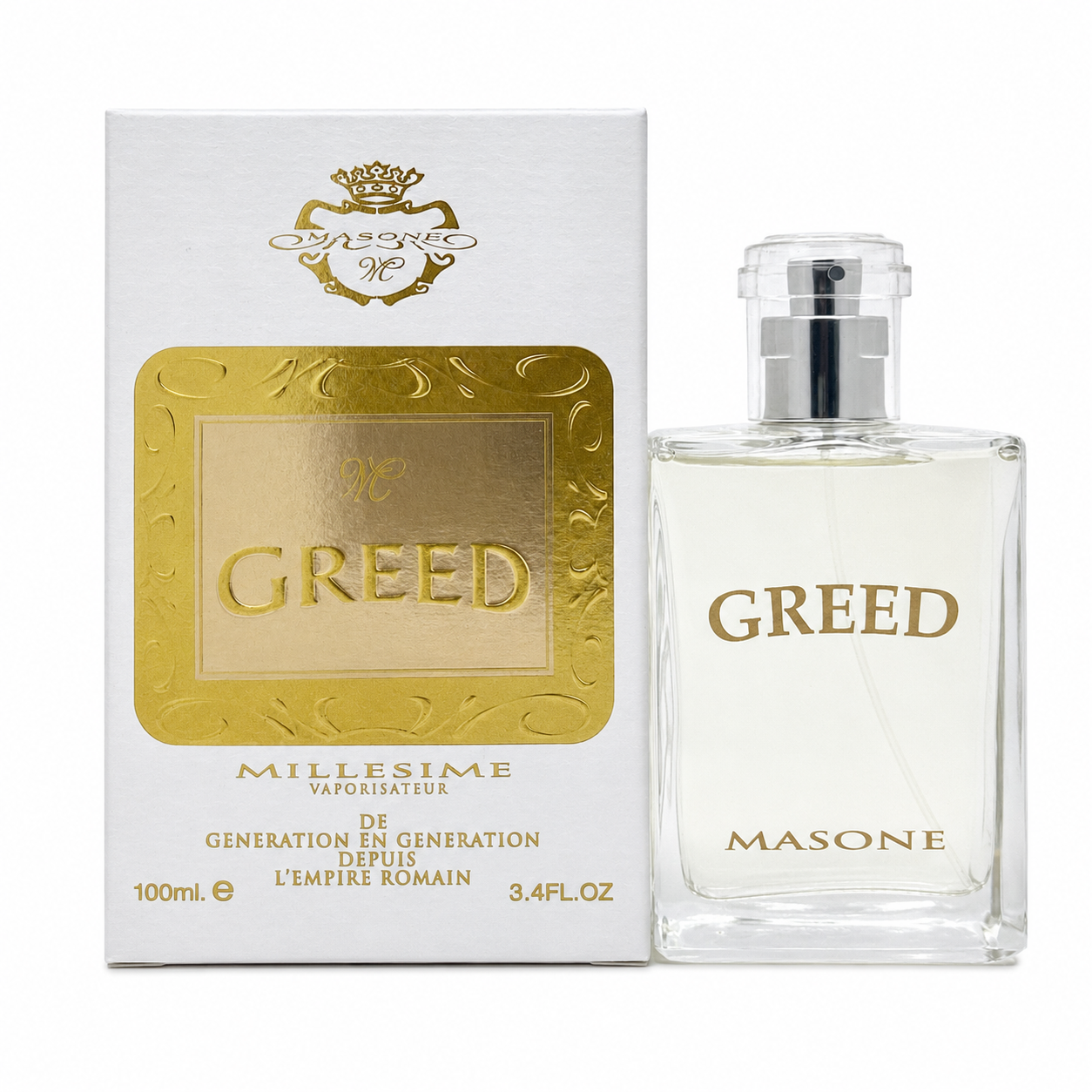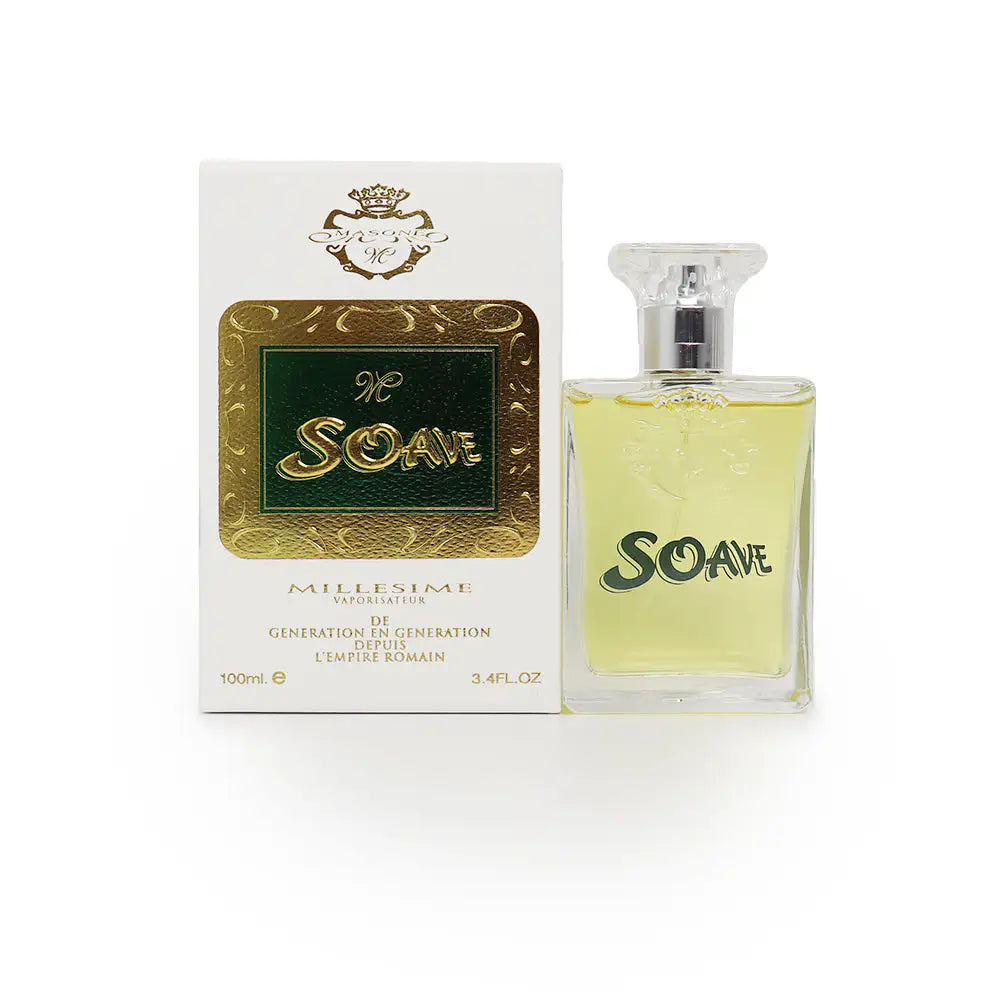

Just as your wardrobe changes with the seasons—from light linens to cozy sweaters—your perfume collection deserves the same thoughtful rotation. The scent that feels fresh and invigorating on a hot summer afternoon may seem thin and fleeting against a snowy winter backdrop, while the rich, enveloping fragrance perfect for cold evenings can overwhelm in the heat of July. Understanding seasonal perfume selection transforms fragrance from a static single choice into a dynamic olfactory wardrobe that enhances your experience of each season's uniqueness.
At Le Parfumier, we believe that seasonal rotation of fragrances is not just practical—it's an art form that deepens your connection both to perfume and the natural rhythms of the year. This comprehensive guide explores perfect fragrances for spring, summer, autumn, and winter, helping you build a versatile collection that captures the essence of each season while complementing the weather, mood, and activities that define different times of the year.
Why seasonal fragrances matter
The science of fragrance and temperature
Temperature profoundly affects fragrance performance and how we perceive them. Understanding this relationship explains why some perfumes excel in specific seasons:
Heat amplifies projection: Warm weather raises skin temperature, accelerating the evaporation of fragrance molecules. This increases projection (the distance your perfume travels) and can make heavy fragrances overwhelming. Light and fresh compositions shine in the heat because they project beautifully without becoming cloying.
Cold diminishes diffusion: Winter cold slows molecular evaporation, requiring richer and more concentrated perfumes to maintain presence. Fragrances that felt overwhelming in summer provide just the right warmth and comfort in cold weather. Additionally, winter's dry air can cause the skin to absorb perfume faster, necessitating reapplication or longer-lasting formulations.
Humidity affects development: Summer humidity can alter how fragrances develop on the skin, sometimes intensifying certain notes while softening others. Conversely, winter dryness can cause perfumes to evaporate more quickly from the skin, making hydration before application particularly important.
Psychological alignment with the seasons
Beyond physical performance, fragrance selection affects mood and psychological well-being. Seasonal alignment creates an olfactory harmony that enhances your experience of each time of year:
Spring: Fresh and floral fragrances reflect the renewal of nature, uplifting the mood as the days lengthen and gardens bloom.
Summer: Bright and refreshing fragrances provide psychological cooling and evoke holidays, relaxation, and outdoor adventures.
Autumn: Warm and spicy fragrances create comfort as temperatures drop and days shorten, easing the transition from summer energy to winter introspection.
Winter: Rich and enveloping fragrances provide olfactory warmth and luxury, making cold days comfortable and special rather than merely enduring harsh weather.
Spring fragrances: Renewal and awakening
The essence of spring fragrances
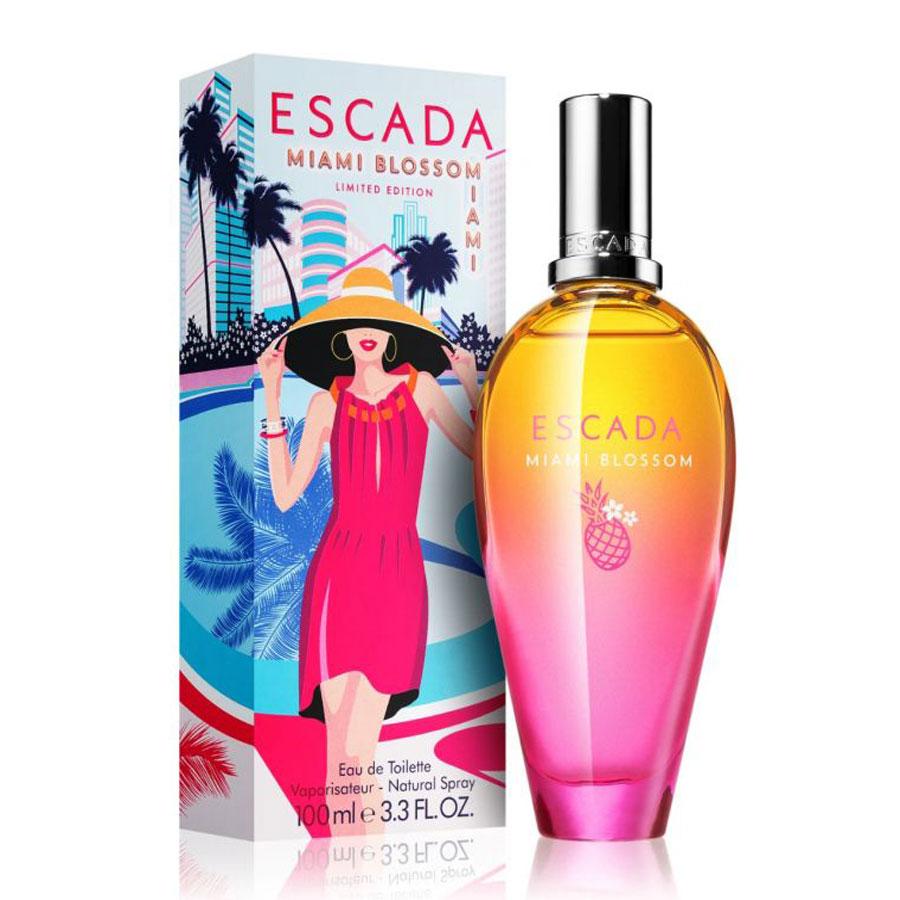
Spring fragrances capture the spirit of renewal, growth, and optimism of the season. After winter dormancy, spring scents awaken the senses with delicate florals, green notes, and light fruits that reflect blooming gardens and fresh vegetation.
Perfect notes for spring
Floral notes: Spring is synonymous with flowers. Delicate flowers create romantic and optimistic fragrances:
- Peony: Watery, fresh, and gently romantic
- Lily of the valley: Green, rosy, and innocent
- Jasmine: Sweet, intoxicating, yet light in spring compositions
- Magnolia: Creamy, lemony, and elegant
- Cherry blossom: Delicate, powdery, and ephemeral
- Freesia: Fresh, peppery-floral, and stimulating
- Violet: Soft, powdery, and subtly sweet
Green notes: Verdant and herbaceous accords that evoke freshly cut grass and new growth:
- Green tea
- Mint
- Basil
- Galbanum
- Violet leaf
Light citrus: Bright and sparkling citrus that adds energy without heaviness:
- Bergamot
- Neroli (orange blossom)
- Petitgrain
- Mandarin
- Grapefruit
Aquatic notes: Clean, fresh accords inspired by water that suggest spring rain and morning dew.
Fragrance families to explore for spring
Browse women's floral fragrances at Le Parfumier to discover delicate compositions suitable for spring. The floral and fruity category offers particularly wonderful spring options, combining soft florals with light fruit notes for a perfectly balanced seasonal wear.
How to wear spring fragrances
Application: 2-3 sprays on pulse points provide sufficient presence without overwhelming as the weather warms.
Layering: Spring is perfect for experimenting with layering—combine a floral eau de toilette with a fresh body lotion to create nuanced and personalized scents.
Occasions: Spring fragrances excel at daytime events—brunches, garden parties, casual office wear, and outdoor activities.
Summer fragrances: Refreshment and energy
The character of summer fragrances
Summer demands fragrances that refresh rather than suffocate. The season calls for bright and airy compositions that withstand heat and humidity while evoking vacations, beaches, and carefree afternoons.
Essential notes for summer
Citrus: The cornerstone of summer fragrance, citrus provides an instant refreshment:
- Lemon: Bright, clean, and energizing
- Grapefruit: Tart, slightly bitter, and invigorating
- Orange: Sweet, sunny, and cheerful
- Bergamot: Sophisticated citrus, slightly floral
- Lime: Lively, tangy, and refreshing
Aquatic and marine notes: Ocean-inspired accords that evoke sea breezes:
- Sea salt
- Calone (synthetic marine note)
- Seaweed
- Driftwood
Tropical fruits: Notes of juicy fruits, sun-ripened:
- Pineapple
- Coconut
- Mango
- Passion fruit
- Lychee
- Watermelon
Light florals: Summer flowers that stay fresh in the heat:
- Hibiscus
- Tiare flower
- Solar tuberose (bright, not heavy)
- Orange blossom
- Frangipani
Herbs: Aromatic green notes that provide refreshing sensations:
- Mint
- Basil
- Lavender
- Rosemary
Summer fragrance selections
Explore citrus fragrances for women and aquatic scents at Le Parfumier for perfect summer options. The fruity collection also offers vibrant and heat-appropriate choices.
Application tips for summer
Less is more: Heat amplifies fragrance, so use 2-3 sprays maximum. Over-application in summer quickly becomes overwhelming.
Strategic placement: Focus on cooler body areas—inside wrists, behind knees—where the fragrance won’t be intensified by excessive heat and sweat.
Application in hair: A light mist in your hair creates a subtle scent halo that moves with you, perfect for windy summer conditions.
Reapplication: Summer activities often involve water and sweat. Keep a travel-size version for a midday refresh.
Autumn fragrances: Warmth and transition
The olfactory palette of autumn
Autumn fragrances bridge the gap between the brightness of summer and the depth of winter. As the leaves change and temperatures drop, the scents become richer, warmer, and more complex—offering comfort as nature prepares for dormancy.
Signature notes of autumn
Spices: Warm and aromatic notes that evoke autumn cooking and cozy gatherings:
- Cinnamon: Sweet, warm, and familiar
- Nutmeg: Creamy spice, slightly sweet
- Cardamom: Green spice, slightly lemony
- Clove: Intense, warm, and slightly medicinal
- Black pepper: Lively, woody, and invigorating
- Saffron: Exotic, leathery, and precious
Woods: Richer than light summer woods, autumn woods provide an anchoring warmth:
- Cedar
- Sandalwood
- Patchouli
- Vetiver
- Oud (lighter concentrations)
Gourmet notes: Edible and comforting accords that reflect the abundance of autumn harvests:
- Vanilla
- Tonka bean
- Caramel
- Honey
- Praline
- Roasted nuts
Amber: Warm, resinous, and enveloping—the quintessential autumn note.
Dried fruits: Richer than fresh summer fruits:
- Fig
- Plum
- Dried apricot
- Apple (spiced, baked)
Incense and resins: Smoky and contemplative notes perfect for autumn's introspective mood:
- Incense
- Myrrh
- Benzoin
- Labdanum
Autumn perfume recommendations
Discover oriental perfumes for women, spicy perfumes, and amber perfumes at Le Parfumier—all perfect for autumn. The gourmand collection offers especially cozy autumnal options.
Wearing autumn perfumes
Seasonal layering: Early autumn benefits from layering summer perfumes with warmer base notes. A citrus fragrance topped with a vanilla body lotion beautifully fills seasonal transitions.
Increased application: As temperatures drop, a slightly heavier application (3-4 sprays) ensures your perfume maintains its presence.
Application on clothing: Layered autumn clothes wonderfully retain fragrance. A light spritz on sweaters and scarves extends wear throughout the day.
Winter perfumes: Luxury and comfort
The depth of winter perfumes
Winter perfumes are the richest and most luxurious offerings in perfumery. When cold weather sets in, perfumes become deep, warm, and enveloping—creating olfactory cocoons that provide comfort and opulence during the darkest months of the year.
Essential notes for winter
Rich woods: Deep, dark, and warming:
- Oud: Intense, animalic, precious
- Cedar: Dry warmth of pencil shavings
- Sandalwood: Creamy, milky wood
- Patchouli: Earthy, sweet, and hippie-chic
- Ebony: Dark, dense, and exotic
Leather: Sophisticated, powerful, and enveloping:
- Smooth leather
- Deerskin
- Birch tar (smoky leather effect)
Deep spices: More intense than the lighter autumn spices:
- Star anise
- Clove
- Black pepper
- Cardamom
Animalic notes: Warm, sensual, skin-like:
- Musk (white, amber, or animalic)
- Ambergris
- Castoreum
- Civet (synthetic versions)
Rich vanillas: Deeper and more complex than simple vanilla:
- Bourbon vanilla
- Tonka bean
- Benzoin
- Vanilla absolute
Balms and resins: Thick resinous warmth:
- Peru balsam
- Tolu balm
- Incense
- Myrrh
Dense florals: Heavy, intoxicating flowers:
- Tuberose (heady, narcotic)
- Gardenia (creamy, rich)
- Clove (spicy-floral)
- Ylang-ylang (soft, exotic)
Winter perfume collections
Explore woody perfumes for women, amber perfumes, and leather perfumes at Le Parfumier for suitable winter options. The oriental collection offers particularly luxurious cold-weather fragrances.
Application strategies for winter
Higher concentrations: Winter is the time for Eau de Parfums and Perfumes rather than lighter Eau de Toilettes. Deeper concentrations maintain presence despite the cold, dry air.
Generous Application: 4-5 sprays are appropriate in winter. The cold mutes projection, so slightly heavier application ensures your fragrance remains noticeable.
Hydrate First: Winter’s dry air and indoor heating dehydrate skin, causing fragrances to fade faster. Apply an unscented lotion or oil before fragrance to extend longevity.
Layered Clothing: Spray scarves, coats, and sweaters—winter layers beautifully hold fragrance and create evolving olfactory experiences as you remove outerwear indoors.
Building Your Seasonal Fragrance Wardrobe
The Foundation: Basic Seasonal Pieces
A well-balanced seasonal fragrance wardrobe doesn’t require dozens of bottles. Strategic selection offers versatility:
Spring: 1-2 floral or green fragrances (one delicate, one brighter) Summer: 1-2 citrus or aquatic fragrances (one energizing, one relaxed) Fall: 1-2 warm spicy or oriental fragrances (one lighter transition scent, one deeper) Winter: 1-2 rich woody or amber fragrances (one for day, one for night)
This foundation of eight bottles covers seasonal needs while allowing personal expression.
Expansion: Building Depth
As your collection grows, add:
Transition Fragrances: Scents that bridge seasons—fresh florals with woody bases for spring-summer, spicy fruits for summer-fall, amber-orientals with bright openings for fall-winter.
Occasion-Specific Bottles: A dressed-up winter scent for the holidays, a casual summer scent for beach days, a professional spring option for the office.
Signature Variations: If you love a particular fragrance family, collect seasonal variations—fresh lavender for summer, spicy lavender for fall, lavender-vanilla for winter.
Year-Round Fragrances: The Versatile Exceptions
Some fragrances transcend seasonal boundaries, working beautifully all year:
Balanced Musks: Clean, skin-like musks that adapt to different temperatures. Moderate Ambers: Not too heavy for summer, not too light for winter. Lavender-based Fragrances: Fresh in heat, comforting in cold. Certain Woody Notes: Cedar and sandalwood often work across seasons.
While seasonal rotation adds depth to your fragrance experience, having a signature scent year-round provides comforting consistency.
Advanced Strategies for Seasonal Fragrances
Layering through the seasons
Create custom seasonal transitions by layering perfumes:
Spring-summer: Floral eau de toilette over citrus body lotion Summer-autumn: Fresh aquatic perfume topped with warm vanilla oil Autumn-winter: Spicy perfume layered over a musky base Winter-spring: Rich oriental lightened with fresh neroli
This technique maximizes your collection's versatility while creating truly unique combinations.
Geographical considerations
Seasonal fragrance selection also depends on climate:
Tropical climates: "Summer" perfumes year-round with occasional "winter" perfumes for variety. Temperate climates: Full seasonal rotation following traditional spring/summer/autumn/winter divisions. Cold climates: Extended winter perfume season (6+ months) with brief spring/summer rotations. Desert climates: Light summer perfumes for extreme heat, richer perfumes for evenings and surprisingly cool winter months.
Concentration adjustments
Beyond changing perfumes, adjust concentrations seasonally:
Spring/Summer: Light Eau de Toilettes and Eau de Parfums Autumn: Moderate Eau de Parfums Winter: Rich Eau de Parfums and Perfumes
This strategy allows you to wear your favorite fragrance families year-round while adjusting intensity to match the weather.
Practical tips for seasonal perfume success
Storage and preservation
Proper storage ensures your seasonal perfumes stay fresh between uses:
Cool and dark storage: Store off-season bottles in closets or drawers away from light and heat.
Avoid bathrooms: Humidity and temperature fluctuations degrade perfumes. Bedrooms or closets are preferable.
Keep the caps: Minimize air exposure to prevent oxidation and evaporation.
Original packaging: Boxes protect against light damage—keep the perfume in the original packaging for long-term storage.
Rotate your collection
Seasonal transitions: As the seasons change, bring new fragrances to the forefront of your collection and properly store the bottles from the outgoing season.
Transition overlap: Keep a perfume from the outgoing season accessible for unusually warm/cool days.
Try before committing: Sample new seasonal perfumes before buying full bottles—what works on paper may not work on your skin.
Shop seasonally
Buy ahead: Purchase winter perfumes in summer (and vice versa) when retailers often discount off-season stock.
Sample programs: Many retailers, including Le Parfumier, offer samples allowing seasonal testing before committing.
Seasonal sales: Watch for seasonal promotional events—spring launches in March, summer releases in May, autumn collections in September, winter limited editions in November.
Gender and seasonal perfumes
Although this guide has focused on women's perfumes, seasonal principles also apply to men's perfumery:
Spring for men: Fresh aromatic fougères, citrus-wood, green perfumes Summer for men: Aquatic scents, bright citrus, mint-heavy compositions Autumn for men: Spicy woody orientals, tobacco notes, leather accords Winter for men: Deep ouds, rich ambers, intense woods
Explore men's perfumes at Le Parfumier, organized by olfactory families including suitable options for every season.
Conclusion: Embracing seasonal perfume rotation
Seasonal perfume rotation transforms fragrance from a static single choice into a dynamic and evolving relationship with scent. By aligning your perfumes with the rhythms of the year, you not only enhance your smell but also how you experience the unique character of each season.
The delicate florals of spring reflect nature's renewal, the bright citrus of summer captures vacation energy, the warm spices of autumn provide transitional comfort, and the rich woods of winter create luxurious cocoons against the cold. Perfumes of each season become part of how you mark the passage of time and celebrate the distinctive beauty of each period.
Investing in seasonal perfumes pays dividends in improved mood, appropriate projection, and simple pleasure of wearing scents that seem perfectly aligned with your environment. Whether you build a modest foundation of four bottles or expand into a full collection, seasonal rotation deepens your appreciation of the art and diversity of perfumery.
Ready to build your seasonal perfume wardrobe? Le Parfumier offers extensive collections across all perfume families and olfactory types, making it easy to find perfect seasonal matches. With over 35 years of expertise serving Canadian perfume enthusiasts, authentic products, and knowledgeable advice, Le Parfumier provides everything needed to embrace seasonal perfume rotation.
Explore collections organized by olfactory families for women and men, discover new seasonal favorites, and transform how you experience fragrance throughout the year.
Seasons change, and so does your perfume. Embrace the beautiful diversity of seasonal perfume rotation and discover how perfectly chosen fragrances enhance every moment of the year.
Seasonal Perfume FAQ
Q : Do I really need different perfumes for each season, or can I wear one all year?
R : While some versatile perfumes work year-round, seasonal rotation optimizes performance and enjoyment. Light summer perfumes lack presence in cold winter, while rich winter perfumes can overwhelm in summer heat. That said, if you have a beloved signature scent, wear it whenever it brings you joy—these are guidelines, not rules.
Q : How many perfumes do I need for each season?
R : A basic seasonal wardrobe requires only 4-6 bottles (1-2 per season), although perfume enthusiasts often collect more for variety. Start with a signature scent per season and expand according to budget and interest.
Q : Can I wear floral perfumes in winter or woody perfumes in summer?
R : Absolutely! While general guidelines suggest lighter perfumes for warm weather and richer perfumes for cold, personal preference matters most. A light woody-citrus works beautifully in summer, while delicate florals with warm bases shine in winter. Choose what makes you feel good.
Q : When should I transition my perfumes between seasons?
R : Transitions depend on your climate and personal preference. Some people change on calendar dates (March 21 for spring, June 21 for summer), others follow actual weather trends. Listen to your instincts—when your current fragrance starts to feel "wrong" for the temperature, it's time to transition.
Q: How should I store perfumes I am not currently wearing?
R: Store out-of-season bottles in cool, dark places away from temperature fluctuations and direct light. Keep them in original boxes if possible, ensure caps are tight, and avoid bathrooms where humidity fluctuates. Proper storage keeps fragrances fresh for years.
Q: Are eau de toilettes better for summer and eau de parfums for winter?
R: Generally yes—lighter concentrations (EDT) suit warm weather because heat amplifies projection, while richer concentrations (EDP, Parfum) maintain presence in cold weather. However, a light EDP can work beautifully in summer, while a fresh EDT might lack presence even in winter.
Q: Can I layer fragrances from different seasons?
R: Yes! Layering creates custom transitional fragrances. Try combining a fresh summer citrus with a warm autumn vanilla, or a spring floral with a winter musk. Experiment to find combinations that work on your skin.
Q: Do seasonal fragrance recommendations differ by climate?
R: Yes. Tropical climates might use "summer" fragrances year-round with occasional "winter" scents for variety. Cold climates extend winter fragrance seasons to 6+ months. Desert climates need light fragrances for extreme heat but can wear richer scents during surprisingly cold winters. Adapt guidelines to your specific environment.
Q: Should seasonal men's fragrances follow the same guidelines as women's?
R: Yes—the principles of light and fresh fragrances for warm weather and rich, warm fragrances for cold weather apply regardless of gender. Seasonal men's fragrances usually emphasize different notes (aromatic fougères in spring, aquatic in summer, spicy woods in autumn, deep ouds in winter), but seasonal performance factors remain the same.
Q: Can I wear gourmand fragrances in summer?
R: Although gourmand fragrances are traditionally autumn/winter scents, lighter gourmands featuring citrus, fresh fruits, or florals with subtle vanilla can work in summer. Avoid heavy notes of caramel, chocolate, and rich honey in the heat, but fresh coconut, light vanilla, or fruity gourmands can be suitable for summer.