


Shop by collection
Discover fragrances selected by theme, mood, or occasion. Whether you're looking for timeless classics or the latest releases, our collections will help you easily find your next signature scent.


Spotlight on exploration

Ortona Afrodite Uomo For Men Eau de Parfum
Ortona Afrodite Uomo For Men Eau de Parfum
Afrodite Uomo by Ortona initiates with Marine and natural nuances from the Seawater including sweet and citrusy aromas from the Calabrian Bergamot and Sicilian Lemon. The fragrance continues with fruity and succulent accords from the Orange, Fruity Notes and Mandarin bringing a more earthy scent from the Iris. Lastly the Aldehydes, Musk and Woody Notes bring a warmth and woody feel to the fragrance. This breathtaking refreshing perfume is perfect for a man who loves experiencing nature, under an open sky, and likes to feel exhilarating.
- Brand: Ortona
- Fragrance Name: Afrodite Uomo
- Product Type: Eau De Parfum EDP
- Gender: Men
- Olfactive Family: Woody Aquatic musk
- Year Launched: 1996
- Sizes available: 50ml, 100ml
- Recommended Use: Day, spring and summer
- Top Notes:Fruity Notes and Sea Salt
- Middle Notes: Sicilian Lemon, Bergamot, Iris and Mandarin Orange
- Base Notes: Sea Notes, Musk and Woody Notes
- Scent Intensity: Moderate
- Scent Longevity: Long Lasting

Ortona Afrodite Uomo Vintage For Men Eau de Parfum
Ortona Afrodite Uomo Vintage For Men Eau de Parfum
- Brand: Ortona
- Fragrance Name: Afrodite Uomo Vintage
- Product Type: Eau De parfum
- Gender: Men
- Olfactive Family: Woody floral musk
- Year Launched: 2006
- Sizes available: 50ml, 100ml
- Top Notes: Pineapple and Orange Blossom
- Middle Notes: Nutmeg, Coriander and Cardamom
- Base Notes: Leather, Iris, Musk, Cedar, Sandalwood, Vetiver and Tonka Bean.
- Scent Intensity: Moderate
- Scent Longevity: Long Lasting

Ortona Afrodite Uomo Night Touch For Men Millessime
Ortona Afrodite Uomo Night Touch For Men Millessime
- Brand: Ortona
- Fragrance Name: Afrodite Uomo Night Touch
- Product Type: Millesime Eau De Parfum EDP
- Gender: Men
- Olfactive Family:Woody aromatic
- Year Launched: 2010
- Sizes available: 5ml, 50ml, 100ml
- Recommended Use: day, evening, spring and summer
- Top Notes: Grapefruit, Lemon, Mint and Pink Pepper
- Middle Notes: Ginger, Nutmeg, Jasmine and Iso E Super
- Base Notes: Incense, Vetiver, Cedar, Sandalwood, Patchouli, Labdanum and White Musk
- Scent Intensity: Moderate
- Scent Longevity: Long Lasting
The best collections
Browse our most popular categories. From bold masculine icons to delicate feminine fragrances and rare collector's items, these are the fragrances our customers prefer.
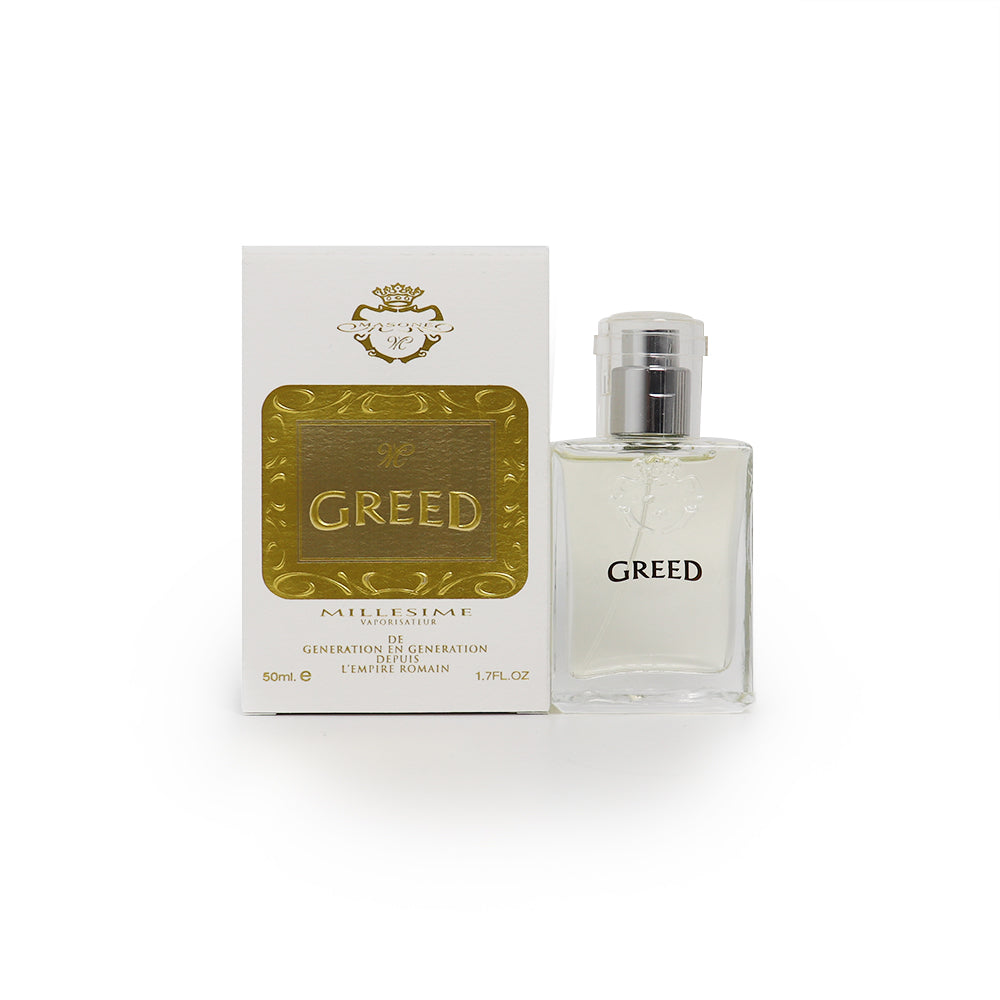
Masone Greed For Men Eau de Parfum

Roger & Gallet L'Homme For Men Eau de Toilette Vintage

Masone Sotto Zero For Men Eau de Parfum

Armaf Club de Nuit Intense Man For Men Eau de Parfum

Mirato Malizia Uomo Vetyver For Men Eau de Toilette
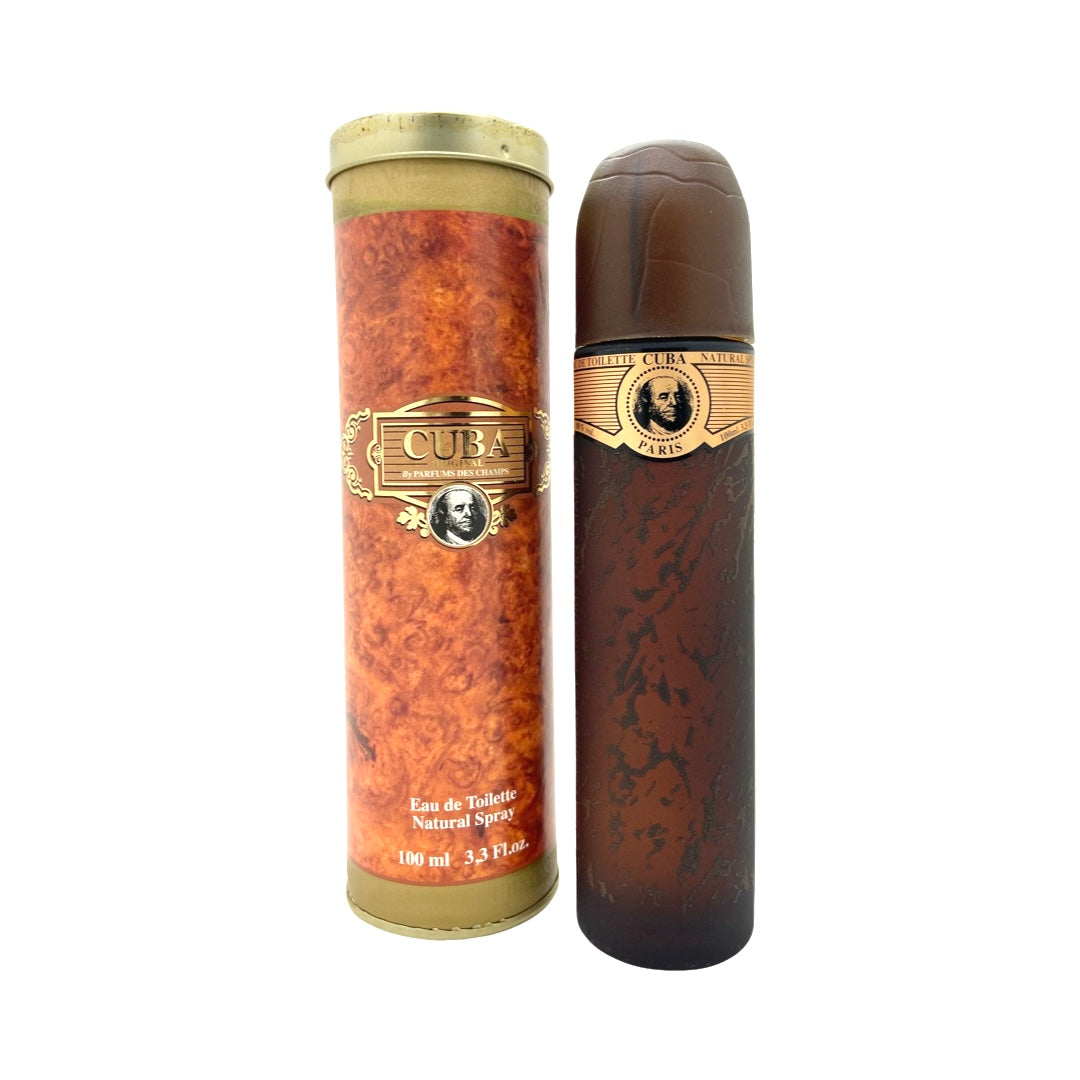
Cuba Gold For Men Eau de Toilette

Armani Acqua Di Gio For Men Eau de Toilette

Armaf Club De Nuit Intense For Men Eau de Toilette

Mont Blanc Legend Spirit For Men Eau de Toilette

Ortona Afrodite Uomo For Men Eau de Parfum
Ralph Lauren Big Pony #2 For Women Eau de Toilette
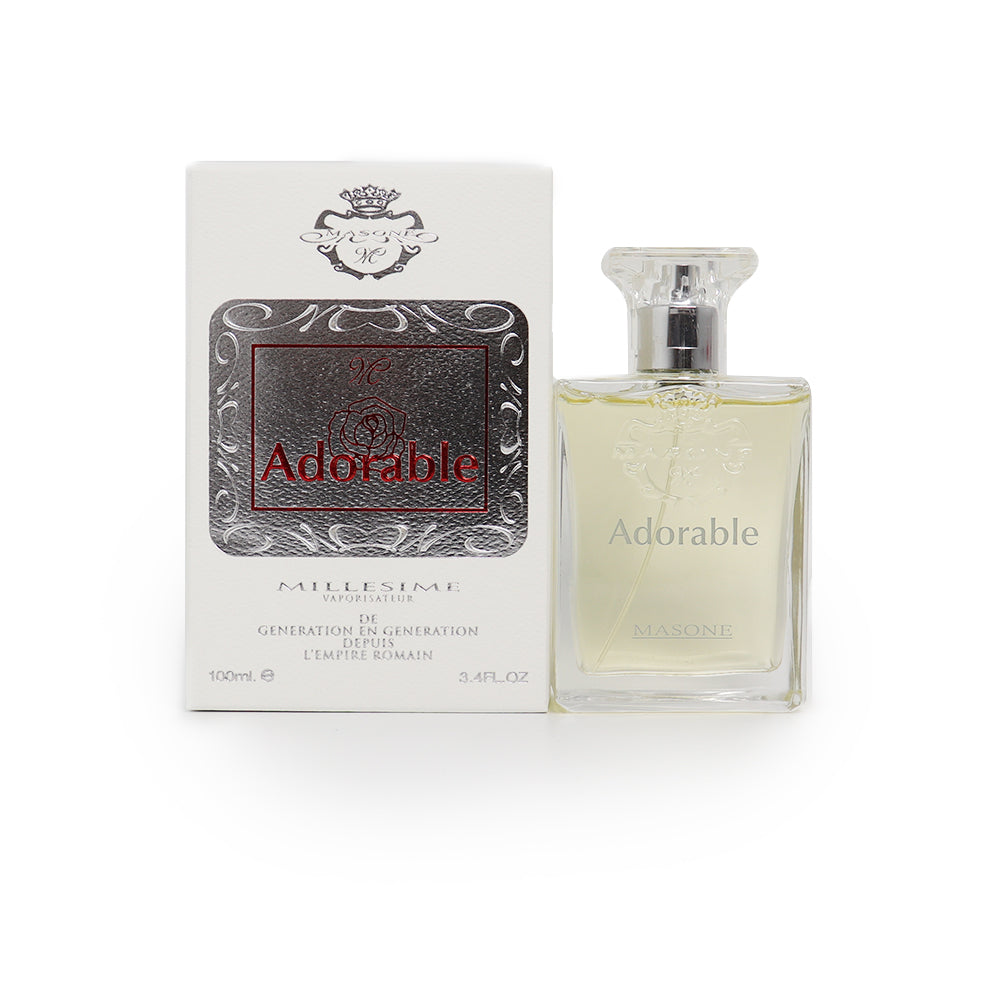
Masone Adorable For Women Eau de Parfum
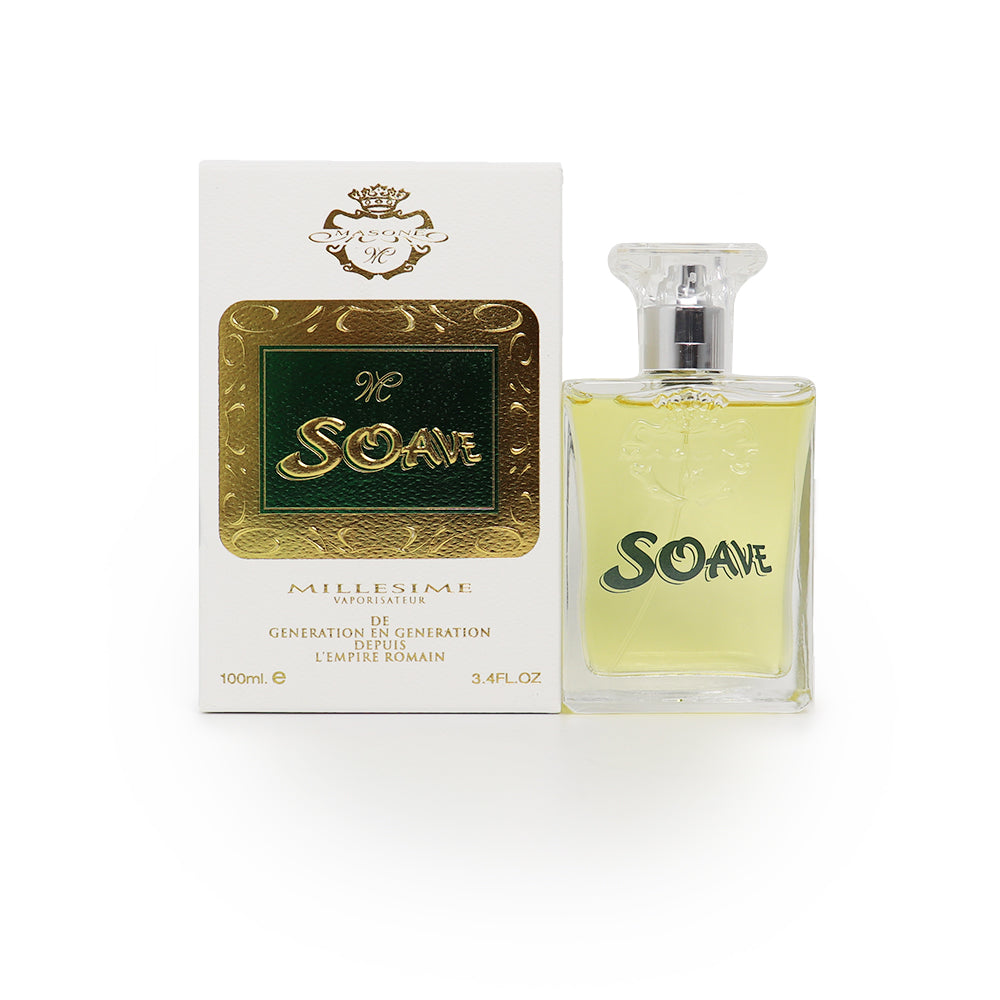
Masone Soave For Women Eau De Parfum

Lanvin Eclat D'Arpege For Women Eau de Parfum

Masone Dreams For Women Eau de Toilette
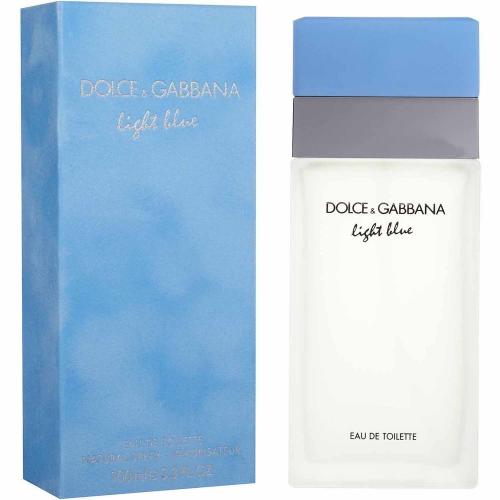
Dolce & Gabbana Light Blue For Women Eau de Toilette
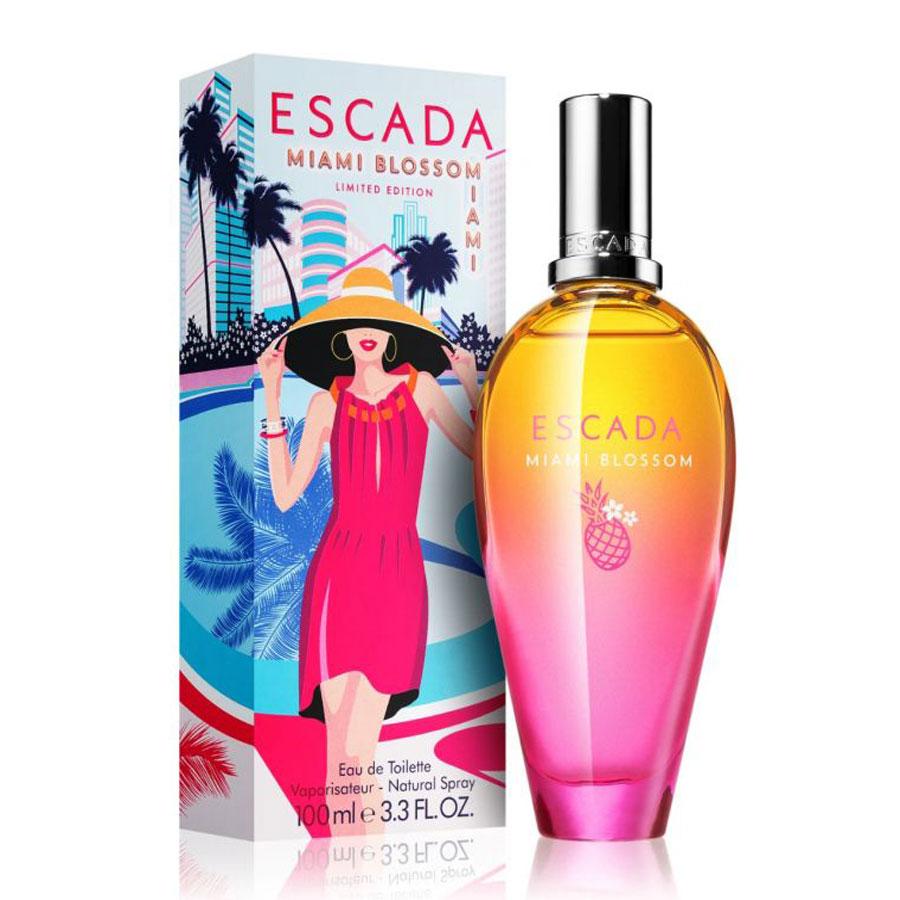
Escada Miami Blossom For Women Eau de Toilette

Azzaro Mademoiselle For Women Eau De Toilette

Lattafa Yara For Women Eau De Parfum

Ortona Afrodite Donna For Women Eau de Parfum
Ralph Lauren Big Pony #2 For Women Eau de Toilette

Jean Couturier Coriandre For Women Eau de Toilette

Isabella Rossellini Manifesto For Women Eau de Toilette

Ralph Lauren Lauren Style For Women Eau de Parfum

Bvlgari Omnia Coral For Women Eau de Toilette

Bob Mackie Mackie For Women Eau de Toilette

Viktor & Rolf Bonbon For Women Eau de Parfum

Oscar De La Renta Oscar For Women Eau de Toilette

Borsalino Donna Borsalino For Women Eau de Parfum

Armani Mania For Women Eau de Parfum
Top Vintage & Rare Perfumes
A tribute to the art of perfumery. Discover rare, discontinued, and vintage fragrances preserved in their original form. A must-have for collectors and connoisseurs.


Popular Items
Our community's favorites. These bestsellers are flying off the shelves for good reason: discover the perfumes everyone is talking about.

Amouage Myths For Women Eau de Parfum

Al Haramain Amber Oud Extreme Gold Edition Extrait De Parfum

Amouage Sunshine For Women Eau de Parfum

Amouage Lyric For Men Eau de Parfum

Amouage Journey For Women Eau de Parfum

Amouage Interlude For Women Eau Parfum

Amouage Enclave Eau de Parfum

Amouage Ciel For Women Eau de Parfum

Amouage Gold For Women Eau de Parfum

Adrienne Vittadini AV For Women Eau de Toilette
Frequently Asked Questions
Need help? We've answered your most frequently asked questions about delivery, authenticity, returns, and much more.
Where do you deliver?
Where do you deliver?
We deliver everywhere in Canada, the United States, and most countries worldwide!
Do you ship internationally?
Do you ship internationally?
Yes, we ship to over 200 countries worldwide! You can check this during checkout by using the dropdown arrow to select your country. Please note that your order may be subject to customs duties and taxes imposed by your country's customs authorities once the package arrives at its destination. Unfortunately, we have no control over these charges and cannot estimate them. Customs policies vary by country, so we recommend contacting your local customs office for more information.
Where do you ship from?
Where do you ship from?
All orders are processed and shipped from our
Warehouse/store in Laval, Quebec, Canada. Our address is: The
Perfumer, 2065 Autoroute 440 West, Laval, Quebec, Canada. H7L 3W3
How is it that you still have my discontinued perfume available for purchase?
How is it that you still have my discontinued perfume available for purchase?
Our extensive fragrance collection includes thousands of options, some of which are discontinued. To maintain our wide selection, our buyers travel the world to acquire entire inventories of rare or hard-to-find perfumes. These products are stored under ideal conditions to ensure their quality and longevity.
What does "without box" mean for a product?
What does "without box" mean for a product?
If you don't need the sophisticated packaging of our regular products, the "no box" option offers an affordable alternative. These products are less expensive than their packaged counterparts and are guaranteed to be 100% authentic, fresh, and unused. While they don't come in a box, they do include a cap. The reduced packaging cost translates into even greater savings for you!
What does "splash" mean for a product?
What does "splash" mean for a product?
If a perfume is labeled "splash," it means it's designed to be applied without a spray mechanism. Most perfumes are made with a spray nozzle because this allows them to last longer by limiting their exposure to air. Ultimately, choosing between a spray or splash bottle comes down to personal preference.
What is the difference between an eau de toilette and an eau de parfum?
What is the difference between an eau de toilette and an eau de parfum?
Perfumes differ in their concentration of oils; an eau de parfum has a higher concentration than an eau de toilette, resulting in a longer-lasting fragrance. Pure perfume has the highest concentration, while eau de Cologne has the lowest.
What is "vintage"?
What is "vintage"?
"Vintage" perfumes are older formulations of fragrances that may have been reformulated over time. Companies choose to reformulate a perfume for various reasons, such as regulatory changes, consumer preferences, a shortage of a particular ingredient, or to improve the perfume's performance or reduce its production cost.
What is a "tester"?
What is a "tester"?
Our testers offer a cost-effective alternative for those who don't need the sophisticated packaging of our regular products. They are less expensive than the packaged versions and are guaranteed 100% authentic, fresh, 100% full, and contain the same fragrance as the original product. While designed for display and testing in stores, they are also available for purchase. Testers typically come in a simple white box and may not include a cap or outer box. The reduced packaging cost means even more savings for you!
Blog posts

Understanding Fragrance Concentrations: Eau de Toilette vs. Eau de Parfum vs. Parfum
Navigating the world of luxury fragrances can feel overwhelming when faced with terminology like Eau de Toilette, Eau de Parfum, and Parfum (or Extrait de Parfum). These distinctions are not just marketing categories—they represent significant differences in concentration, longevity, intensity, and price that greatly affect your fragrance experience. Understanding these concentration levels allows you to select perfumes that match your preferences, lifestyle, and budget while ensuring you get exactly the olfactory experience you seek. This comprehensive guide demystifies fragrance concentrations, exploring what each category means, how they differ in practical terms, and which concentration is best suited for different occasions, preferences, and wearing styles. Whether you are building your first fragrance wardrobe or refining an established collection, understanding these fundamental distinctions transforms how you select, wear, and enjoy luxury perfumes. The Science of Fragrance Concentration What Concentration Really Means Fragrance concentration refers to the percentage of pure perfume oils (aromatic compounds) dissolved in alcohol and water. Higher concentrations contain more perfume oil relative to the alcohol base, creating more intense and longer-lasting fragrances. Lower concentrations have less perfume oil, producing lighter and more fleeting olfactory experiences. Concentration affects all aspects of a fragrance's performance: the intensity with which it projects from your skin (sillage), the duration before it fades (longevity), how it evolves over time (development), and the intensity with which you and others perceive it (intensity). These performance characteristics influence when and how you wear different concentrations. Understanding concentration helps explain why the same fragrance name can smell slightly different between formulations—higher concentrations often emphasize base notes more prominently, while lighter concentrations present top notes more dramatically. The concentration itself becomes an integral part of the fragrance's character. The Role of Alcohol Alcohol in fragrances serves several purposes beyond simply diluting perfume oils. It acts as a carrier that helps fragrance molecules evaporate from the skin, diffusing the scent into the air around you. Alcohol also affects how quickly different notes emerge—a higher alcohol content (in lighter concentrations) speeds evaporation, creating more dramatic opening notes and faster development. The quality of alcohol used in luxury fragrances affects the overall wearing experience. Premium alcohol evaporates smoothly without harsh tones, allowing fragrance notes to emerge cleanly. Lower quality alcohol can create unpleasant initial sensations that detract from the perfume itself. Parfum (Extrait de Parfum): The Most Concentrated Form Concentration and Characteristics Parfum, also called Extrait de Parfum or Pure Parfum, represents the most concentrated fragrance formulation, generally containing 20 to 40% perfume oil concentration. This high concentration creates the most intense, longest-lasting, and richest fragrance experience available. The high oil content means that Parfum stays closer to the skin, creating intimate fragrance experiences rather than projecting dramatically into the surrounding space. The scent lasts for 8 to 12+ hours, often remaining perceptible on the skin until the next day. This exceptional longevity makes Parfum economical despite a higher price per ounce—you need much less product per application. Parfum formulations emphasize base notes and heart notes more than lighter concentrations, creating deeper and more complex olfactory profiles. The opening top notes emerge more softly and evolve more gradually, allowing you to experience the full depth and nuance of the fragrance composition. This makes Parfum ideal for appreciating the perfumer's art—you experience the fragrance as fully intended, with all notes present in the right balance. When to Choose Parfum Special Occasions: The richness and luxury of Parfum suit elegant events, formal occasions, and moments when you want to make lasting impressions. Intimate Settings: The projection close to the skin creates personal scent bubbles perfect for romantic evenings, intimate gatherings, or situations where subtle sophistication matters more than dramatic projection. Cold Weather: The intensity of Parfum penetrates cold air better than lighter concentrations, maintaining presence when lower concentrations would fade. Fragrance Connoisseurs: Those who deeply appreciate the art of perfume prefer Parfum for its full and uncompromising expression of the perfumer’s vision. Economical Daily Wear: Despite higher initial costs, the longevity of Parfum and minimal application requirements can make it cost-effective for daily wearers seeking maximum value. Application Tips for Parfum Parfum concentration requires different application approaches than lighter fragrances. Apply sparingly to pulse points—a small touch on each wrist and perhaps behind the ears or at the base of the throat is enough. The intense concentration means over-application easily overwhelms. Allow the Parfum to fully develop before judging—the opening may seem muted compared to lighter concentrations, but the fragrance reveals its full character gradually. Explore our collection of pure perfumes for women featuring the most concentrated and luxurious fragrance formulations available. Eau de Parfum: The Modern Standard Concentration and Characteristics Eau de Parfum (EDP) has become the contemporary standard for luxury fragrances, generally containing 15 to 20% perfume oil concentration. This concentration balances intensity and longevity with versatility and projection, creating fragrances that work in various situations while remaining present for 6 to 8 hours. The EDP offers a noticeable sillage—the trail of scent you leave as you move—without overwhelming intensity. People near you will perceive your fragrance while you maintain an intimate connection with the perfume. This balance makes the EDP the most versatile concentration for modern lifestyles requiring fragrances that effortlessly transition from office to evening without being too intimate or too dramatic for either context. Concentration allows perfumers to create complex compositions where the top, heart, and base notes all contribute significantly to the fragrance experience. The top notes open more dramatically than in the Parfum while the heart and base notes maintain enough presence to create satisfying development and longevity. Why EDP Dominates Modern Perfumery Versatility: EDP works in casual, professional, and elegant contexts, making it ideal for people who want fewer bottles managing more situations. Longevity: 6 to 8 hours cover most daily activities without reapplication, outperforming Eau de Toilette while costing less than Parfum. Projection Balance: Noticeable presence without overwhelming proximity—others perceive your fragrance without it announcing your arrival from across the room. Value Proposition: EDP offers the best balance of performance and price for most consumers, providing longevity close to Parfum at more accessible prices. Modern Lifestyles: The concentration suits contemporary life where fragrances must work in various contexts—office meetings, social gatherings, active lifestyles—without requiring changes or reapplication. Application Strategies for Eau de Parfum EDP tolerates a more generous application than Parfum without being overwhelming. Spray 3 to 4 times on traditional pulse points—wrists, neck, perhaps behind the knees or inside the elbows. Spray atomization distributes the fragrance evenly, creating uniform perfume clouds that settle on skin and clothing. Wait 10 to 15 minutes after application for the alcohol to evaporate and the fragrance to stabilize before assessing intensity. The initial perception immediately after application does not represent how you will smell throughout the day. Consider layering—apply a moisturizer on pulse points before spraying to enhance longevity and slow evaporation. Discover our vast collection of Eau de Parfum for women featuring versatile fragrances perfect for every occasion. Eau de Toilette: Light and Refreshing Concentration and Characteristics Eau de Toilette (EDT) contains 5 to 15% perfume oil concentration, creating lighter and more ephemeral fragrance experiences. The lower concentration produces fresher, more citrus-oriented scents that open dramatically but fade faster—usually lasting 3 to 5 hours before needing reapplication. The lightness of EDT makes it ideal for situations where a subtle fragrance presence is more suitable than intensity. The lower oil content also means that EDT generally costs much less per bottle than EDP or Parfum, although the shorter longevity may mean using more product overall. The lighter concentration emphasizes top notes prominently. Opening citrus, fresh, and aromatic notes shine in EDT formulations, creating invigorating experiences perfect for morning wear or situations where refreshing and uplifting fragrances enhance mood without demanding attention. When Eau de Toilette Excels Warm Weather: Light concentrations evaporate comfortably in heat without becoming cloying or overpowering. EDT provides a refreshing fragrance presence during summer without the intensity that can feel oppressive in humidity. Daytime and Office Wear: Professional environments often require subtle fragrance presence. EDT offers a noticeable scent without projection that could disturb colleagues in confined spaces. Active Lifestyles: Gym sessions, outdoor activities, and casual settings suit the low-demand presence of EDT. The fragrance won’t overwhelm during physical activity and fades before evening transitions. Fragrance Layering: The lightness of EDT makes it excellent for layering multiple perfumes without being overpowering. Experiment by combining complementary EDT formulations to create personalized signatures. Budget-Conscious Consumers: Lower per-bottle costs make EDT accessible for building diverse fragrance wardrobes. Own multiple EDT bottles for the price of one Parfum, creating variety. Fragrance Exploration: EDT allows affordable experimentation with new scents. The lower investment makes trying unknown fragrances less risky. Application Approaches for Eau de Toilette The lighter concentration of EDT often allows and requires a more generous application. Spray 5 to 7 times on multiple areas—pulse points, chest, perhaps even hair or clothing. The goal is to create a sufficient fragrance presence to last despite faster evaporation. Consider reapplying mid-day to maintain presence throughout active days. Keep travel-sized EDT bottles in bags or offices for convenient refreshment. The lightness of EDT makes reapplication refreshing rather than cloying—the fragrance layers build upon each other without becoming overwhelming. Browse our collection of Eau de Toilette for women featuring fresh and light fragrances perfect for daily wear. Direct Comparison of Concentrations Longevity Differences Perfume: 8-12+ hours, often detectable until the next day Eau de Parfum: 6-8 hours, covering full workdays and evenings Eau de Toilette: 3-5 hours, requiring reapplication mid-day for extended wear Intensity and Projection Perfume: Intimate projection, close to the skin creating personal scent bubbles Eau de Parfum: Moderate projection, noticeable to people within arm's reach Eau de Toilette: Light projection, subtle presence mainly perceived by the wearer and very close contacts Price Considerations Perfume: 150−500-500 −500+ par flacon, coût par once le plus élevé mais meilleur coût par port compte tenu de la longévité Eau de Parfum : 80−200-200 −200+ par flacon, proposition de valeur équilibrée Eau de Toilette : 50−120-120 −120+ par flacon, investissement initial le plus bas mais potentiellement consommation plus élevée Emphasis on Notes Perfume: Emphasizes base and heart notes, presenting depth and complexity Eau de Parfum: Balanced presentation of top, heart, and base notes Eau de Toilette: Highlights top notes prominently, creating fresh and immediate impressions Building Your Fragrance Wardrobe Strategic Collection Approach Sophisticated fragrance wardrobes often include multiple concentrations serving different purposes: Perfume: 1-2 signature perfumes for special occasions and intimate moments Eau de Parfum: 3-5 versatile fragrances covering seasonal variations and mood preferences Eau de Toilette: 2-4 fresh options for warm weather, office wear, and casual situations This approach provides appropriate options for any situation while managing budget across concentration levels. Seasonal Considerations Summer: Favor lighter EDT and EDP formulations that remain comfortable in heat Winter: Embrace EDP and Parfum concentrations that maintain presence in cold, dry air Spring/Fall: Transition seasons suit all concentrations depending on specific weather and activities Lifestyle Alignment Professional Environments: Moderate EDT and EDP formulations respect proximity at work Social Contexts: EDP provides appropriate presence for restaurants, gatherings, and events Romantic Occasions: Parfum creates intimate and memorable olfactory experiences Active Lifestyles: EDT refreshes without overwhelming during physical activity Understanding the Same Fragrance in Different Concentrations Formulation Variations Many popular fragrances are available in multiple concentrations, but these are not simply diluted versions of identical formulas. Perfumers often adjust compositions across concentrations to optimize performance characteristics of each formulation. EDT versions can enhance top notes for more dramatic openings that compensate for shorter longevity. EDP formulations balance all notes for versatile performance. Parfum versions often amplify base notes and smooth transitions for a luxurious development. This means your favorite fragrance can smell noticeably different between concentrations. The differences are neither inferior nor superior—they are intentional variations optimized for the characteristics of each concentration. Some people prefer EDT versions of certain fragrances while choosing EDP or Parfum for others based on how formulation variations align with personal preferences. Testing Across Concentrations When possible, test the same fragrance in different concentrations before committing to full bottles. Variations in intensity, development, and character can reveal unexpected preferences. You might find you prefer a fragrance in EDT that seemed overwhelming in Parfum, or vice versa. Maximizing Fragrance Performance Application Techniques Regardless of concentration, proper application maximizes performance: Apply to pulse points where heat helps diffuse the fragrance Hydrate the skin first—the fragrance lasts longer on hydrated skin Avoid rubbing wrists together, which crushes fragrance molecules Layer complementary scented products (lotions, oils) to enhance longevity Apply on clothes and hair for prolonged presence (test for stains first) Storage for Longevity Protect your investment through proper storage: Keep bottles away from direct sunlight and heat Store in cool, dark places like drawers or closets Keep caps tightly closed to prevent evaporation and oxidation Avoid storing in the bathroom where humidity and temperature fluctuate Make Your Concentration Choice Questions to Guide Selection How long do you need the fragrance to last? If you need all-day presence, choose EDP or Parfum. For shorter wear periods, EDT suffices. What is your budget? EDT offers the lowest entry costs, EDP provides the best value balance, Parfum requires the highest investment. What intensity do you prefer? Like intimate perfumes? Choose Parfum. Want noticeable projection? Select EDP. Prefer a subtle presence? Opt for EDT. For what occasions will you wear it? Special events suit Parfum, daily versatility favors EDP, casual contexts work with EDT. What is the climate? Warm weather benefits from EDT, cold climates suit EDP and Parfum. Conclusion Understanding fragrance concentrations transforms how you select, buy, and wear perfumes. Parfum offers the most luxurious, long-lasting, and intimate fragrance experiences for special occasions and discerning appreciation. Eau de Parfum provides versatile performance balancing longevity, projection, and value for everyday elegance. Eau de Toilette offers light and refreshing options perfect for warm weather, active lifestyles, and budget-conscious fragrance exploration. The "best" concentration does not exist universally—it entirely depends on your preferences, lifestyle, and specific wearing contexts. Building a thoughtful fragrance wardrobe that includes multiple concentrations ensures you have appropriate options for every situation, creating olfactory experiences that enhance rather than complicate your daily life. Ready to explore fragrances at your preferred concentration? Discover our collections of Eau de Parfum, Eau de Toilette, and Pure Perfume for women, featuring premium fragrances at every concentration level to suit your unique preferences and lifestyle needs.
Learn more
The Art of Layering Fragrances: Create Your Olfactory Signature
In a world where mass-produced fragrances adorn millions of wrists, creating a truly unique olfactory signature seems increasingly difficult. Yet, the ancient art of fragrance layering offers a sophisticated solution, allowing you to create personalized scent expressions that are distinctly, undeniably yours. By skillfully combining multiple fragrances, complementary scented products, and strategic application techniques, you can transcend the limits of wearing a single bottle to create complex and evolving olfactory profiles that reflect your individuality. Fragrance layering is not simply about randomly spraying multiple perfumes—it is a nuanced practice that requires an understanding of olfactory families, note structures, and how different fragrances interact with your unique skin chemistry. This comprehensive guide explores the principles, techniques, and creative possibilities of fragrance layering, allowing you to become your own perfumer and develop olfactory signatures that evolve with your moods, the seasons, and your personal journey. Understanding the Fundamentals of Fragrance Layering What is Fragrance Layering? Fragrance layering involves combining multiple scented products—perfumes, body lotions, oils, hair mists—to create complex, personalized scent profiles. This practice has roots in the perfumed traditions of the Middle East and Asia where layering essential oils and attars created rich, multidimensional fragrances long before Western perfumery developed complex compositions in a single bottle. Modern fragrance layering builds on these traditions while incorporating contemporary perfumes designed as complete compositions. You’re not improving poorly made fragrances—you’re adding personal creativity to quality perfumes, enhancing and customizing them to express your unique identity. The Science Behind Successful Layering Fragrances layer successfully when their molecular structures complement rather than compete. Lighter molecules (top notes like citrus and herbs) evaporate quickly, while heavier molecules (base notes like woods and musks) linger for hours. Layering fragrances with different volatility rates creates evolving scent experiences—fresh immediate impressions that transform into deeper, more sensual bases. Your skin chemistry significantly affects how layered fragrances develop. Skin pH, natural oils, diet, and even hormonal cycles influence fragrance evolution. What smells divine on your friend might clash on your skin. This personal chemistry factor makes layering inherently individual—your specific combinations won’t smell identical on someone else, ensuring a truly unique olfactory signature. Benefits of Layered Fragrance Creation Uniqueness: Layered combinations ensure your perfume is truly one of a kind, distinguishable from mainstream fragrance wearers. Versatility: Create different scent profiles for various moods, seasons, and occasions using the same fragrance collection in different combinations. Longevity: Layering multiple products creates fragrance redundancy—as one layer fades, others maintain presence, extending overall wear time. Cost Efficiency: Maximize your fragrance wardrobe by creating many combinations from modest collections rather than buying dozens of full fragrances. Creative Expression: Layering transforms fragrance wear from passive consumption into active artistic expression, reflecting your evolving identity. The Building Blocks: Understanding Fragrance Families Complementary Fragrance Families Certain fragrance families naturally harmonize, creating balanced layered compositions: Floral and Woody: Floral fragrances gain depth and sophistication when layered with woody scents. Rose pairs beautifully with sandalwood, jasmine complements cedar, and orange blossom harmonizes with vetiver. Citrus and Musks: Fresh citrus top notes brighten musky base notes, creating clean and modern combinations. Bergamot with white musk offers elegant simplicity, while grapefruit and amber create warmth with sparkle. Vanilla and Spices: Sweet vanilla serves as an excellent backdrop for spicy notes. Vanilla with cinnamon creates a gourmand warmth, while vanilla with cardamom offers exotic sophistication. Aquatic and Green: Marine and green notes naturally layer, evoking coastal gardens and sea breezes. Cucumber with sea salt, green tea with oceanic notes—these combinations feel refreshing and contemporary. Contrasting Layers that Work Sometimes, unexpected contrasts create the most memorable combinations: Sweet and Smoky: Gourmand fragrances combined with incense or leather create intriguing sweet and savory contrasts that evolve beautifully throughout wear. Fresh and Oriental: Light citrus or aquatic fragrances layered over rich oriental bases create complexity—an immediate freshness that transforms into sensual warmth. Floral and Leather: Delicate florals gain character and sophistication when layered with leather notes, creating modern and gender-neutral compositions. Layering Techniques and Methods The Base-Middle-Top Approach This classic technique reflects how perfumers build fragrances: Base Layer: Start with your heaviest and longest-lasting fragrance as the foundation. This could be a rich oriental, a woody perfume, or a musky scent. Apply it first, letting it dry slightly before adding the next layers. Middle Layer: Add a medium-weight fragrance that complements your base—perhaps a floral or spicy perfume that bridges your base and top notes. Top Layer: Finish with the lightest and freshest fragrance—citrus, herbs, or delicate florals that provide an immediate impression while the deeper layers develop underneath. This approach creates evolving fragrances that reveal different facets throughout wear, starting fresh and bright, transitioning through a floral or spicy heart, and settling into a warm and sensual base. The Intensity Layering Method This technique combines different fragrance concentrations for dimensional results: Foundation: Perfume or Eau de Parfum: Apply your richest and most concentrated fragrance on pulse points where it will intimately develop throughout the day. Choose a perfume you want as the central identity of your signature. Amplification: Eau de Toilette: Layer a lighter complementary concentration on and around your base, creating a halo effect. The EDT provides initial projection while the deeper concentration maintains longevity. This method works particularly well to maximize the performance of your favorite fragrances while adding complexity. Explore our collections of Pure Perfume, Eau de Parfum, and Eau de Toilette to build your layering foundation. The Strategic Placement Technique Apply different fragrances to different body areas, creating varied olfactory experiences: Lower Body: Apply heavier, warmer fragrances behind the knees, on the ankles, or at the base of the spine. Heat rises, carrying these base notes upward throughout the day. Pulse Points: Traditional pulse points (wrists, inner elbows, neck) receive your middle-layer fragrances that form the heart of your scent signature. Hair and Clothing: The lightest and freshest fragrances in the hair create olfactory clouds as you move, while clothing holds fragrances differently than skin, extending longevity and creating textural variation. This spatial distribution creates complexity that evolves as you move, with different layers becoming prominent in different contexts and proximities. The Single-Note Enhancement Method Rather than layering full complex fragrances, enhance a favorite unique perfume with complementary single-note or simple fragrances: Add Depth: Layer vanilla, amber, or sandalwood under lighter fragrances to add warmth and longevity without competing complexity. Lighten: Add citrus or neroli to richer fragrances to enhance and refresh while maintaining the character of the base fragrance. Customize: Add unique touches like fig, tea, or incense to familiar fragrances, creating personalized versions that no one else can replicate. This conservative approach suits beginners who want to experiment without overwhelming combinations or those who enjoy specific fragrances but want subtle customization. Create Seasonal Scent Signatures Spring Layering Combinations Spring calls for fresh, green, and floral combinations that evoke blooming gardens: Base: Light woods like cedar or fresh musks Heart: Delicate florals—lily of the valley, freesia, or white florals Top: Green notes, dewy florals, or light citrus The result evokes gardens awakening after winter—fresh, optimistic, and naturally beautiful. Summer Layering Strategies Warm weather demands lighter compositions that remain comfortable in the heat: Base: Coconut, white musk, or soft aquatics Heart: Tropical florals like tiaré or frangipani, or fruity notes Top: Citrus, marine notes, or cucumber These combinations offer a refreshing presence without becoming cloying in humidity. Autumn Layering Compositions Autumn transitions inspire warmer and spicier combinations: Base: Amber, vanilla, or patchouli Heart: Spices like cinnamon, cardamom, or nutmeg Top: Apple, pear, or light woody notes These layered scents evoke the cozy and introspective character of autumn—warm but not heavy. Winter Layering Richness Cold weather suits the richest and most complex layering: Base: Oud, leather, or rich woods like sandalwood Heart: Deep florals like rose or jasmine, or resinous notes Top: Spices, incense, or citrus to lighten the depth Winter layers can be bold and intense, maintaining presence against cold air while creating a luxurious warmth. Practical Layering Guidelines Starting Simply Start with two complementary fragrances rather than complex multi-layered compositions. Master simple combinations before moving on to more elaborate layering. This approach allows you to understand how specific fragrances interact without overwhelming confusion. Try first to pair fragrances from the same family—two florals, or two woody perfumes—before experimenting with contrasting families. Similarity creates harmony more reliably than contrast, building confidence before tackling difficult combinations. Testing Combinations Before Committing Test potential combinations on skin rather than deciding by smelling bottles. Spray one fragrance on your left wrist, another on your right wrist, then bring them close to preview the combination. This quick test reveals whether the fragrances harmonize or clash before full application. Let layered combinations develop for at least 30 minutes before judging. Initial impressions immediately after application do not represent how you will smell throughout the day. The alcohol evaporates, notes develop, and the true character only emerges after stabilization. Documenting Your Discoveries Keep notes on fragrance layering— which combinations worked, which disappointed, and how they evolved throughout wear. This documentation helps you remember successful formulas to recreate and learn from unsuccessful experiences. Note not only which fragrances you combined but also the order of application, quantities, and placement. These details significantly affect the results and allow you to refine combinations through iteration. Respecting Fragrance Quality Layer quality fragrances with other quality fragrances. Low-quality perfumes containing synthetic ingredients that smell harsh or chemical rarely improve by layering—they contaminate everything they are combined with. Invest in quality base fragrances worth enhancing rather than trying to save disappointing purchases by layering. Beyond Perfume: Multi-Product Layering Building Olfactory Wardrobes Create complete layering systems by using complementary scented products: Body Products: Scented shower gels, lotions, and oils in complementary fragrances build base layers that extend perfume longevity while adding complexity. Hair Products: Scented hair mists, dry shampoos, and styling products contribute to the overall olfactory profile without being overpowering. Functional Products: Even the subtle scents of deodorants, hand creams, and lip balms affect your overall scent signature—choose unscented or complementarily scented versions. The Moisturize-Then-Perfume Method Fragrance adheres better and lasts longer on hydrated skin. Apply an unscented or complementarily scented moisturizer on pulse points before applying perfume. The moisturizer creates a base that slows fragrance evaporation while adding depth through its own subtle scent (if scented). For maximum layering effect, use products from matching fragrance families—if you wear a floral perfume, use a floral body lotion as a base. This creates redundant olfactory layers that extend longevity while intensifying the overall effect. Common Layering Mistakes to Avoid Overapplication and Overpowering The most common layering mistake is over-application. Remember that layering creates more intense fragrances than single perfumes—you need less of each component than you would apply individually. Start conservatively, adding more only if necessary after the combination has developed. Competition Rather Than Complementarity Some fragrances simply do not harmonize. Strong, complex fragrances with a bold character often compete rather than complement when layered. Not all perfumes work for layering—some are complete compositions meant to be worn alone. Respect these fragrances by wearing them solo rather than forcing combinations. Ignoring Your Skin Chemistry What works for fragrance influencers or friends may not work on your skin. Your unique chemistry determines how layered fragrances develop. Don’t persist with combinations that smell good in theory but clash on your skin—trust your skin’s verdict rather than external opinions. Forgetting That Less Is More Complex does not require many layers. Some of the most sophisticated layered signatures combine only two carefully chosen fragrances. Resist the temptation to add endless layers believing that more equals better—often, simplicity creates the most elegant results. Developing Your Personal Signature Understanding Your Preferences Successful olfactory signatures reflect authentic preferences rather than trends or others’ opinions. Identify the notes you truly love—perhaps you’re drawn to warm vanillas, fresh citrus, or mysterious incense. Build layering combinations around these beloved notes, using them as anchors while experimenting with complementary additions. Consider not only which perfumes you like but also which moods and images you want your fragrance to convey. Do you want to feel sophisticated and mysterious? Fresh and approachable? Warm and comforting? Your desired impression guides your layering choices. Evolution and Refinement Your olfactory signature doesn’t need to remain static. As you change, your fragrance can evolve. What seemed perfect at 25 may feel too sweet at 35. Allow your layering combinations to mature with you, adjusting proportions, trying new additions, or completely reinventing your signature as you grow. Seasonal signatures also recognize that who you are in summer differs from who you are in winter. Rather than seeking a single eternal signature, develop seasonal variations that honor your evolving self throughout the year. Conclusion The art of fragrance layering transforms wearing perfume from passive consumption into a creative expression of self. By understanding olfactory families, mastering layering techniques, and experimenting with combinations, you create truly unique signatures that evolve throughout the day and across seasons. The layered fragrances you develop become olfactory autobiographies—scented expressions of your personality, preferences, and journey. Begin your layering journey by exploring quality fragrances across different concentrations and families. Start with simple two-fragrance combinations, gradually developing complexity as your understanding deepens. Document your discoveries, trust your instincts, and remember that the perfect olfactory signature is the one that makes you feel authentically, confidently yourself. Ready to build your fragrance layering collection? Explore our carefully curated selections of Eau de Parfum, Eau de Toilette, and Pure Perfume for women, featuring premium fragrances perfect for creating your distinctive layered signature. Your unique olfactory story awaits—start crafting it today.
Learn more
Choose the Perfect Perfume for Your Skin Type
The same fragrance can smell radically different on two people side by side, and the explanation lies not in mysterious chemistry or marketing mystique, but in a tangible and scientifically explainable phenomenon: skin type. Your skin’s unique characteristics—its pH level, hydration rate, sebum production, and temperature—fundamentally affect how fragrances develop, project, and last throughout the day. Understanding how your specific skin type interacts with perfume allows you to select fragrances that perform optimally on your skin, saving money on unsuitable purchases while discovering perfumes that truly shine on you. This comprehensive guide explores the complex relationship between skin type and fragrance performance, providing practical strategies for selecting perfumes that complement your skin’s unique characteristics. Whether you struggle with fragrances that fade too quickly, become overpowering, or smell differently than expected, understanding your skin type unlocks the key to building a fragrance wardrobe that works beautifully with your body chemistry. Understanding Skin Type and Interaction with Fragrances How Skin Chemistry Affects Fragrances Fragrance molecules interact with the surface characteristics of your skin the moment they come into contact. Your skin’s pH level (its acidity or alkalinity), natural oil production, hydration rate, and temperature all influence how fragrance molecules evaporate, develop, and combine with your body’s natural scent. These interactions explain why the same perfume smells subtly or dramatically different on various people. The fragrance itself remains constant—what changes is how your unique skin processes and presents these aromatic compounds. Some skin types amplify certain notes while muting others. Some accelerate fragrance evaporation while others prolong longevity. Understanding these mechanisms helps you predict how fragrances will perform on your specific skin. The Role of Skin pH The pH of your skin—the measure of its acidity or alkalinity—significantly affects the development of fragrances. Most healthy skin has a slightly acidic pH between 4.5 and 5.5, but individual variations exist. More acidic skin tends to enhance certain fragrance notes while suppressing others, sometimes creating unexpected olfactory profiles from familiar fragrances. Factors affecting skin pH include genetics, diet, skincare products, medications, and hormonal cycles. Women often notice that fragrances smell different at various times in their menstrual cycle due to pH fluctuations. Understanding that pH affects fragrances helps explain why perfumes perform inconsistently and guides you toward fragrances that reliably work with your skin’s typical pH range. Natural Skin Oils and Fragrance Adherence The amount of natural oil (sebum) your skin produces greatly affects fragrance longevity and intensity. Oils dissolve and hold fragrance molecules, prolonging their presence on the skin. Conversely, dry skin lacks the lipid layer that anchors fragrance, allowing molecules to evaporate quickly without fully developing. This fundamental difference between oily and dry skin types creates entirely different fragrance experiences with the same perfume, requiring different selection strategies and application techniques to optimize performance. Dry Skin and Fragrance Selection How Dry Skin Affects Perfume Performance Dry skin presents unique challenges for fragrance. Without adequate natural oils, fragrances evaporate quickly from the skin’s surface, often fading within 2-3 hours regardless of concentration. Fragrance molecules lack the lipid base that would normally anchor them, causing them to dissipate into the air before fully developing. Additionally, dry skin can make fragrances feel harsher or more astringent than expected. The lack of hydration and oils means you experience more of the alcoholic support and top notes without the softening effect that skin oils provide. This can make even soft fragrances seem harsh or overly alcoholic immediately after application. Best Fragrance Choices for Dry Skin Rich and Concentrated Formulations: Choose fragrances with higher concentration that contain more perfume oils relative to alcohol. Pure Perfumes with a fragrance concentration of 20 to 40% provide the oily content that compensates for the lack of natural oils in your skin. The higher oil concentration adheres better to dry skin, significantly extending longevity. Oriental and Gourmand Families: Fragrances featuring vanilla, amber, benzoin, and other rich base notes work excellently on dry skin. These heavy molecules persist longer even without abundant skin oils, ensuring your fragrance maintains its presence throughout the day. Woody and Resinous Notes: Sandalwood, cedarwood, frankincense, and myrrh have natural fixative properties that help them cling longer to the skin. Fragrances emphasizing these notes resist the rapid evaporation that dry skin typically causes. Oil-Based Perfumes: Consider perfume oils or oil-based fragrances that contain little or no alcohol. These formulations provide the lipids your skin lacks, working exceptionally well on dry skin while lasting much longer than alcohol-based alternatives. Application Strategies for Dry Skin Hydrate First: The most important advice for fragrance wearers with dry skin is to hydrate pulse points before applying perfume. Apply an unscented lotion, body butter, or petroleum jelly on wrists, neck, and other application areas. This creates the lipid layer naturally missing from your skin, providing anchor points for fragrance molecules. Layer with Scented Products: Use matching or complementary scented body lotions, oils, and creams before applying perfume. This layering creates a redundant fragrance presence while providing hydration that prolongs longevity. The scented moisturizer continues to release fragrance even after the perfume itself has faded. Apply More Generously: Dry skin requires a more generous application of perfume than oily skin. Feel free to spray additional times or apply on more pulse points—you need extra product to compensate for accelerated evaporation. Reapply Throughout the Day: Keep travel bottles or rollerballs accessible for a midday reapplication. Dry skin will inevitably require a refresh to maintain presence all day, regardless of other optimization strategies. Target Clothes and Hair: Since dry skin will not hold fragrance optimally, apply on hair and clothes where fragrances last longer. The natural oils of hair and the fibers of clothes retain fragrances much longer than dry skin, extending the presence of your perfume. Oily Skin and Fragrance Selection How Oily Skin Affects Perfume Performance Oily skin offers natural advantages for wearing fragrances. The abundant sebum creates perfect conditions for fragrance molecules to dissolve, develop, and persist. Fragrances on oily skin generally last much longer—often 8 to 12 hours or more—and develop more fully across all their notes. However, oily skin presents its own challenges. Abundant skin oils can amplify fragrances, making them more intense than expected. What smells perfect on dry-skinned friends can become overwhelming on your oily skin. Additionally, oily skin can sometimes alter the character of the fragrance, emphasizing certain notes while muting others depending on how those specific molecules interact with your skin’s lipid composition. Best Fragrance Choices for Oily Skin Lighter Concentrations: Oily skin often works beautifully with Eau de Toilette formulations. The lighter concentration prevents overwhelming intensity while lasting adequately due to your skin’s natural fragrance retention properties. You get an appropriate presence without the overpowering effect that higher concentrations might create. Fresh and Citrus Families: Light and fresh fragrances featuring citrus, green notes, aquatics, and herbs work wonderfully on oily skin. These generally fleeting notes gain longevity thanks to your skin’s oils while remaining appropriately subtle. Freshness also provides a pleasant contrast to the skin’s natural oils. Clean and Transparent Fragrances: Minimalist and light fragrances that might disappear on dry skin flourish beautifully on oily skin. These understated compositions gain presence and longevity without becoming cloying, creating sophisticated olfactory signatures. Avoid Heavy Orientals: Very rich, sweet, or heavy fragrances can become overwhelming on oily skin. The abundant lipids amplify these already intense compositions beyond comfortable levels. If you like oriental fragrances, opt for lighter interpretations or modern versions rather than traditional heavy formulations. Application Strategies for Oily Skin Apply Sparingly: Start with less product than recommended—perhaps 2 to 3 sprays instead of 4 to 5. Your skin's natural oils will amplify and prolong the fragrance, so you need less initial application to achieve an appropriate presence. Consider Strategic Placement: Rather than applying to all traditional pulse points, select only one or two areas. Your skin’s efficiency means limited application provides sufficient presence without being overwhelming. Blot Excess Oils Before Application: If your skin is particularly oily, gently blot pulse points with a tissue before applying fragrance. Excess surface oil can prevent the fragrance from adhering properly to the skin, causing it to stay on the surface rather than developing naturally. Avoid Layering: Your skin’s natural oils provide a sufficient base for fragrance longevity—you probably don’t need additional scented lotions or layering products that would intensify the fragrance beyond comfortable levels. Test Fragrances in Warm Conditions: Oily skin in warm weather can create particularly intense fragrance experiences. Test potential purchases in conditions similar to where you will wear them, ensuring they remain pleasant even when amplified by heat and oils. Combination Skin and Fragrance Selection Understanding the Challenges of Combination Skin Combination skin—oily in some areas (usually the T-zone) and dry in others (cheeks, arms)—presents unique fragrance challenges. Perfume applied to oily areas can be intense and long-lasting while the same fragrance applied to dry areas fades quickly. This inconsistency can create confusing fragrance experiences where your scent seems to constantly change in intensity. Strategic Approaches for Combination Skin Different Concentrations for Different Areas: Apply higher concentration fragrances (Eau de Parfum or Pure Perfume) on dry areas where they will need the extra longevity boost, while using lighter concentrations on oily areas where they will be naturally amplified. Targeted Hydration: Hydrate only your dry pulse points before applying fragrance, leaving oily areas untreated. This balances your skin's natural characteristics, creating a more consistent fragrance performance across different body zones. Versatile Fragrance Families: Choose balanced fragrances that work adequately in variable conditions—the moderate intensity fragrances from the chypre, floral, or woody families generally adapt well to the inconsistencies of combination skin. Application Tips for Combination Skin Apply fragrances mainly on your drier areas (usually the inner wrists, behind the ears, and neck) where performance needs enhancement. Avoid applying on naturally oily areas where fragrances will develop strongly without assistance. This strategic placement optimizes overall fragrance presence without creating overwhelming intensity in oily zones. Sensitive Skin and Fragrance Selection Special Considerations for Reactive Skin Sensitive skin requires extra care when selecting and applying fragrances. The alcohol content in most perfumes can irritate sensitive skin, causing redness, itching, or rashes. Additionally, some fragrance ingredients—particularly synthetic musks, aldehydes, and certain natural oils—trigger reactions in sensitive individuals. Best Practices for Sensitive Skin Choose Natural and Niche Fragrances: Artisan and niche fragrances often use higher quality ingredients with fewer synthetic irritants than mainstream perfumes. While not universally hypoallergenic, they generally cause fewer reactions. Opt for Oil-Based Formulations: Alcohol-free perfume oils eliminate the main irritant while often using simpler, cleaner ingredient lists. These formulations provide fragrance benefits without the harsh alcohol that irritates sensitive skin. Test Extensively: Always test new fragrances on small skin areas before full application. Apply on the inner forearm, wait 24 hours, and check for reactions before applying on pulse points near the face and neck where reactions would be more problematic. Apply on Clothing and Hair: Minimize skin contact by applying fragrances mainly on clothing and hair. This provides the benefits of scent without exposing sensitive skin to potential irritants. Avoid Fragrances During Flares: When experiencing eczema, dermatitis, or other skin condition flares, completely avoid fragrances until the skin heals. Compromised skin barriers allow ingredients to penetrate deeper, increasing the risk of reaction. Seasonal Skin Changes and Fragrance Adaptation Considerations for Winter Skin Cold weather and indoor heating significantly dry out the skin, even affecting naturally oily skin types. Winter requires adjusting your fragrance strategy regardless of your usual skin type: Increase hydration before application Choose richer and more concentrated formulations Apply more generously to compensate for dry air Select fragrances with heavier base notes that resist evaporation in low humidity Adjustments for Skin in Summer Heat and humidity increase oil production and sweating, affecting fragrance performance: Choose lighter concentrations that will not become overwhelming in the heat Select fresh and clean fragrances suitable for warm weather Apply more conservatively as heat amplifies fragrances Consider a midday refresh as sweating affects longevity Age-Related Skin Changes and Fragrances Characteristics of Mature Skin As skin ages, it generally becomes drier and thinner, affecting fragrance performance. Oil production decreases, reducing the skin's natural ability to retain fragrances. Additionally, changes in skin pH can alter how fragrances develop. Mature skin benefits from: Richer and more concentrated formulations Intensive hydration before application Fragrances featuring sophisticated and deeper notes rather than very light compositions More generous application to compensate for reduced natural oils Testing and Selecting Fragrances for Your Skin Type Proper Testing Technique During potential purchase testing, always apply on the skin rather than relying on blotter papers or the bottle's scent. Spray on your wrist or inner elbow, then wait at least 15 minutes for the alcohol to evaporate and the initial development to occur. Reassess after 30 minutes, one hour, and several hours to understand the full development and longevity on your specific skin. Test fragrances at different times of your menstrual cycle (for women), in different seasons, and under various conditions to understand how they perform across your skin’s natural variations. Building Your Personalized Wardrobe Once you understand your skin type’s requirements, build a fragrance wardrobe optimized for your unique characteristics: For Dry Skin: Focus on concentrated formulations, rich fragrance families, and create robust hydration protocols. For Oily Skin: Emphasize fresh compositions in lighter concentrations, practicing restraint in application. For Combination Skin: Develop strategic application techniques and maintain versatile fragrance collections. For Sensitive Skin: Prioritize natural compositions, test extensively, and consider alternative application methods. Conclusion Your skin type fundamentally affects fragrance performance, but it is not a limitation—it is an opportunity to optimize your fragrance selection and application for stunning results. By understanding your skin’s unique characteristics and tailoring your fragrance choices accordingly, you ensure that every perfume in your collection works beautifully, lasts appropriately, and develops as intended on your specific body chemistry. The perfect perfume is not necessarily the one that receives the most praise or smells wonderful on others—it is the one that works harmoniously with your skin, reflecting your identity while performing reliably throughout your day. Armed with knowledge about your skin type’s needs, you can confidently build a fragrance wardrobe that enhances rather than fights your natural chemistry. Ready to discover fragrances optimized for your unique skin type? Explore our carefully curated collections of Pure Perfume, Eau de Parfum, and Eau de Toilette for women, with premium fragrances across all concentrations and families. Whether your skin needs a rich intensity or thrives with a delicate freshness, your perfect fragrance match awaits—one that works beautifully with your unique chemistry to create your signature olfactory story.
Learn moreFree shipping in Canada
On most orders of $150 or more
100% authentic and secure
Shop with confidence
Free shipping within the United States
On most orders of $250 or more. International shipping costs are calculated at checkout.