
In a world where mass-produced fragrances adorn millions of wrists, creating a truly unique olfactory signature seems increasingly difficult. Yet, the ancient art of fragrance layering offers a sophisticated solution, allowing you to create personalized scent expressions that are distinctly, undeniably yours. By skillfully combining multiple fragrances, complementary scented products, and strategic application techniques, you can transcend the limits of wearing a single bottle to create complex and evolving olfactory profiles that reflect your individuality.
Fragrance layering is not simply about randomly spraying multiple perfumes—it is a nuanced practice that requires an understanding of olfactory families, note structures, and how different fragrances interact with your unique skin chemistry. This comprehensive guide explores the principles, techniques, and creative possibilities of fragrance layering, allowing you to become your own perfumer and develop olfactory signatures that evolve with your moods, the seasons, and your personal journey.

Understanding the Fundamentals of Fragrance Layering
What is Fragrance Layering?
Fragrance layering involves combining multiple scented products—perfumes, body lotions, oils, hair mists—to create complex, personalized scent profiles. This practice has roots in the perfumed traditions of the Middle East and Asia where layering essential oils and attars created rich, multidimensional fragrances long before Western perfumery developed complex compositions in a single bottle.
Modern fragrance layering builds on these traditions while incorporating contemporary perfumes designed as complete compositions. You’re not improving poorly made fragrances—you’re adding personal creativity to quality perfumes, enhancing and customizing them to express your unique identity.
The Science Behind Successful Layering
Fragrances layer successfully when their molecular structures complement rather than compete. Lighter molecules (top notes like citrus and herbs) evaporate quickly, while heavier molecules (base notes like woods and musks) linger for hours. Layering fragrances with different volatility rates creates evolving scent experiences—fresh immediate impressions that transform into deeper, more sensual bases.
Your skin chemistry significantly affects how layered fragrances develop. Skin pH, natural oils, diet, and even hormonal cycles influence fragrance evolution. What smells divine on your friend might clash on your skin. This personal chemistry factor makes layering inherently individual—your specific combinations won’t smell identical on someone else, ensuring a truly unique olfactory signature.
Benefits of Layered Fragrance Creation
Uniqueness: Layered combinations ensure your perfume is truly one of a kind, distinguishable from mainstream fragrance wearers.
Versatility: Create different scent profiles for various moods, seasons, and occasions using the same fragrance collection in different combinations.
Longevity: Layering multiple products creates fragrance redundancy—as one layer fades, others maintain presence, extending overall wear time.
Cost Efficiency: Maximize your fragrance wardrobe by creating many combinations from modest collections rather than buying dozens of full fragrances.
Creative Expression: Layering transforms fragrance wear from passive consumption into active artistic expression, reflecting your evolving identity.
The Building Blocks: Understanding Fragrance Families
Complementary Fragrance Families
Certain fragrance families naturally harmonize, creating balanced layered compositions:
Floral and Woody: Floral fragrances gain depth and sophistication when layered with woody scents. Rose pairs beautifully with sandalwood, jasmine complements cedar, and orange blossom harmonizes with vetiver.
Citrus and Musks: Fresh citrus top notes brighten musky base notes, creating clean and modern combinations. Bergamot with white musk offers elegant simplicity, while grapefruit and amber create warmth with sparkle.
Vanilla and Spices: Sweet vanilla serves as an excellent backdrop for spicy notes. Vanilla with cinnamon creates a gourmand warmth, while vanilla with cardamom offers exotic sophistication.
Aquatic and Green: Marine and green notes naturally layer, evoking coastal gardens and sea breezes. Cucumber with sea salt, green tea with oceanic notes—these combinations feel refreshing and contemporary.
Contrasting Layers that Work
Sometimes, unexpected contrasts create the most memorable combinations:
Sweet and Smoky: Gourmand fragrances combined with incense or leather create intriguing sweet and savory contrasts that evolve beautifully throughout wear.
Fresh and Oriental: Light citrus or aquatic fragrances layered over rich oriental bases create complexity—an immediate freshness that transforms into sensual warmth.
Floral and Leather: Delicate florals gain character and sophistication when layered with leather notes, creating modern and gender-neutral compositions.
Layering Techniques and Methods
The Base-Middle-Top Approach
This classic technique reflects how perfumers build fragrances:
Base Layer: Start with your heaviest and longest-lasting fragrance as the foundation. This could be a rich oriental, a woody perfume, or a musky scent. Apply it first, letting it dry slightly before adding the next layers.
Middle Layer: Add a medium-weight fragrance that complements your base—perhaps a floral or spicy perfume that bridges your base and top notes.
Top Layer: Finish with the lightest and freshest fragrance—citrus, herbs, or delicate florals that provide an immediate impression while the deeper layers develop underneath.
This approach creates evolving fragrances that reveal different facets throughout wear, starting fresh and bright, transitioning through a floral or spicy heart, and settling into a warm and sensual base.
The Intensity Layering Method
This technique combines different fragrance concentrations for dimensional results:
Foundation: Perfume or Eau de Parfum: Apply your richest and most concentrated fragrance on pulse points where it will intimately develop throughout the day. Choose a perfume you want as the central identity of your signature.
Amplification: Eau de Toilette: Layer a lighter complementary concentration on and around your base, creating a halo effect. The EDT provides initial projection while the deeper concentration maintains longevity.
This method works particularly well to maximize the performance of your favorite fragrances while adding complexity. Explore our collections of Pure Perfume, Eau de Parfum, and Eau de Toilette to build your layering foundation.
The Strategic Placement Technique
Apply different fragrances to different body areas, creating varied olfactory experiences:
Lower Body: Apply heavier, warmer fragrances behind the knees, on the ankles, or at the base of the spine. Heat rises, carrying these base notes upward throughout the day.
Pulse Points: Traditional pulse points (wrists, inner elbows, neck) receive your middle-layer fragrances that form the heart of your scent signature.
Hair and Clothing: The lightest and freshest fragrances in the hair create olfactory clouds as you move, while clothing holds fragrances differently than skin, extending longevity and creating textural variation.
This spatial distribution creates complexity that evolves as you move, with different layers becoming prominent in different contexts and proximities.
The Single-Note Enhancement Method
Rather than layering full complex fragrances, enhance a favorite unique perfume with complementary single-note or simple fragrances:
Add Depth: Layer vanilla, amber, or sandalwood under lighter fragrances to add warmth and longevity without competing complexity.
Lighten: Add citrus or neroli to richer fragrances to enhance and refresh while maintaining the character of the base fragrance.
Customize: Add unique touches like fig, tea, or incense to familiar fragrances, creating personalized versions that no one else can replicate.
This conservative approach suits beginners who want to experiment without overwhelming combinations or those who enjoy specific fragrances but want subtle customization.
Create Seasonal Scent Signatures
Spring Layering Combinations
Spring calls for fresh, green, and floral combinations that evoke blooming gardens:
Base: Light woods like cedar or fresh musks Heart: Delicate florals—lily of the valley, freesia, or white florals Top: Green notes, dewy florals, or light citrus
The result evokes gardens awakening after winter—fresh, optimistic, and naturally beautiful.
Summer Layering Strategies
Warm weather demands lighter compositions that remain comfortable in the heat:
Base: Coconut, white musk, or soft aquatics Heart: Tropical florals like tiaré or frangipani, or fruity notes Top: Citrus, marine notes, or cucumber
These combinations offer a refreshing presence without becoming cloying in humidity.
Autumn Layering Compositions
Autumn transitions inspire warmer and spicier combinations:
Base: Amber, vanilla, or patchouli Heart: Spices like cinnamon, cardamom, or nutmeg Top: Apple, pear, or light woody notes
These layered scents evoke the cozy and introspective character of autumn—warm but not heavy.
Winter Layering Richness
Cold weather suits the richest and most complex layering:
Base: Oud, leather, or rich woods like sandalwood Heart: Deep florals like rose or jasmine, or resinous notes Top: Spices, incense, or citrus to lighten the depth
Winter layers can be bold and intense, maintaining presence against cold air while creating a luxurious warmth.
Practical Layering Guidelines
Starting Simply
Start with two complementary fragrances rather than complex multi-layered compositions. Master simple combinations before moving on to more elaborate layering. This approach allows you to understand how specific fragrances interact without overwhelming confusion.
Try first to pair fragrances from the same family—two florals, or two woody perfumes—before experimenting with contrasting families. Similarity creates harmony more reliably than contrast, building confidence before tackling difficult combinations.
Testing Combinations Before Committing
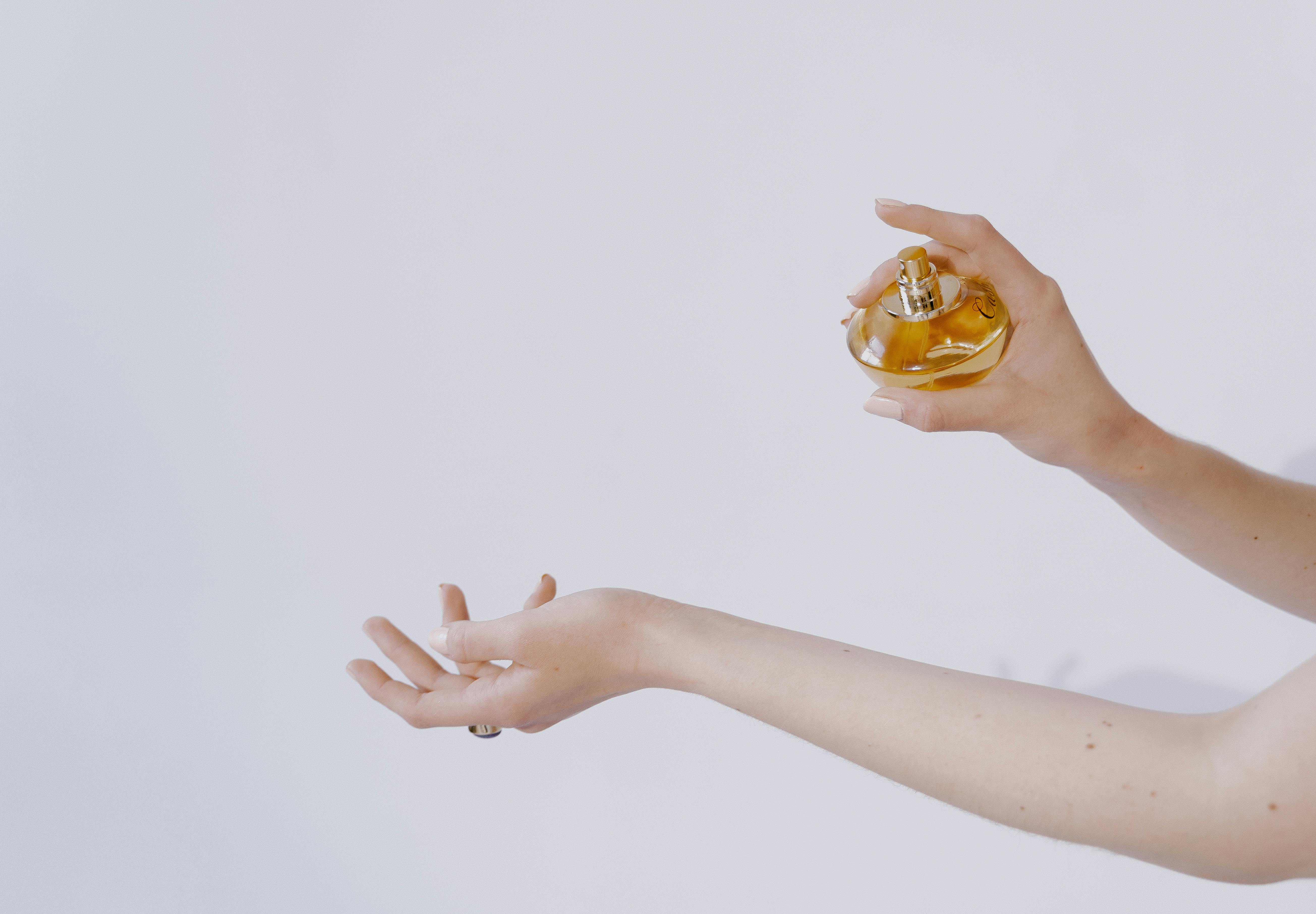
Test potential combinations on skin rather than deciding by smelling bottles. Spray one fragrance on your left wrist, another on your right wrist, then bring them close to preview the combination. This quick test reveals whether the fragrances harmonize or clash before full application.
Let layered combinations develop for at least 30 minutes before judging. Initial impressions immediately after application do not represent how you will smell throughout the day. The alcohol evaporates, notes develop, and the true character only emerges after stabilization.
Documenting Your Discoveries
Keep notes on fragrance layering— which combinations worked, which disappointed, and how they evolved throughout wear. This documentation helps you remember successful formulas to recreate and learn from unsuccessful experiences.
Note not only which fragrances you combined but also the order of application, quantities, and placement. These details significantly affect the results and allow you to refine combinations through iteration.
Respecting Fragrance Quality
Layer quality fragrances with other quality fragrances. Low-quality perfumes containing synthetic ingredients that smell harsh or chemical rarely improve by layering—they contaminate everything they are combined with. Invest in quality base fragrances worth enhancing rather than trying to save disappointing purchases by layering.
Beyond Perfume: Multi-Product Layering
Building Olfactory Wardrobes
Create complete layering systems by using complementary scented products:
Body Products: Scented shower gels, lotions, and oils in complementary fragrances build base layers that extend perfume longevity while adding complexity.
Hair Products: Scented hair mists, dry shampoos, and styling products contribute to the overall olfactory profile without being overpowering.
Functional Products: Even the subtle scents of deodorants, hand creams, and lip balms affect your overall scent signature—choose unscented or complementarily scented versions.
The Moisturize-Then-Perfume Method
Fragrance adheres better and lasts longer on hydrated skin. Apply an unscented or complementarily scented moisturizer on pulse points before applying perfume. The moisturizer creates a base that slows fragrance evaporation while adding depth through its own subtle scent (if scented).
For maximum layering effect, use products from matching fragrance families—if you wear a floral perfume, use a floral body lotion as a base. This creates redundant olfactory layers that extend longevity while intensifying the overall effect.
Common Layering Mistakes to Avoid
Overapplication and Overpowering
The most common layering mistake is over-application. Remember that layering creates more intense fragrances than single perfumes—you need less of each component than you would apply individually. Start conservatively, adding more only if necessary after the combination has developed.
Competition Rather Than Complementarity
Some fragrances simply do not harmonize. Strong, complex fragrances with a bold character often compete rather than complement when layered. Not all perfumes work for layering—some are complete compositions meant to be worn alone. Respect these fragrances by wearing them solo rather than forcing combinations.
Ignoring Your Skin Chemistry
What works for fragrance influencers or friends may not work on your skin. Your unique chemistry determines how layered fragrances develop. Don’t persist with combinations that smell good in theory but clash on your skin—trust your skin’s verdict rather than external opinions.
Forgetting That Less Is More
Complex does not require many layers. Some of the most sophisticated layered signatures combine only two carefully chosen fragrances. Resist the temptation to add endless layers believing that more equals better—often, simplicity creates the most elegant results.
Developing Your Personal Signature
Understanding Your Preferences
Successful olfactory signatures reflect authentic preferences rather than trends or others’ opinions. Identify the notes you truly love—perhaps you’re drawn to warm vanillas, fresh citrus, or mysterious incense. Build layering combinations around these beloved notes, using them as anchors while experimenting with complementary additions.
Consider not only which perfumes you like but also which moods and images you want your fragrance to convey. Do you want to feel sophisticated and mysterious? Fresh and approachable? Warm and comforting? Your desired impression guides your layering choices.
Evolution and Refinement
Your olfactory signature doesn’t need to remain static. As you change, your fragrance can evolve. What seemed perfect at 25 may feel too sweet at 35. Allow your layering combinations to mature with you, adjusting proportions, trying new additions, or completely reinventing your signature as you grow.
Seasonal signatures also recognize that who you are in summer differs from who you are in winter. Rather than seeking a single eternal signature, develop seasonal variations that honor your evolving self throughout the year.
Conclusion
The art of fragrance layering transforms wearing perfume from passive consumption into a creative expression of self. By understanding olfactory families, mastering layering techniques, and experimenting with combinations, you create truly unique signatures that evolve throughout the day and across seasons. The layered fragrances you develop become olfactory autobiographies—scented expressions of your personality, preferences, and journey.
Begin your layering journey by exploring quality fragrances across different concentrations and families. Start with simple two-fragrance combinations, gradually developing complexity as your understanding deepens. Document your discoveries, trust your instincts, and remember that the perfect olfactory signature is the one that makes you feel authentically, confidently yourself.
Ready to build your fragrance layering collection? Explore our carefully curated selections of Eau de Parfum, Eau de Toilette, and Pure Perfume for women, featuring premium fragrances perfect for creating your distinctive layered signature. Your unique olfactory story awaits—start crafting it today.